

DO-278A and the Importance of a Qualifiable Toolchain for Aerospace Software
Developing safety-critical C and C++ software for air traffic management or aerospace systems under DO-278A demands the highest level of reliability and verification rigour.
A qualifiable toolchain for aerospace software, combining static analysis, dynamic unit testing, and code coverage, is essential to meet the standard’s requirements for traceability, compliance, and software assurance.
Why a Qualifiable Toolchain for Aerospace Software is Essential
- Early Defect Detection & Compliance: Static analysis tools identify vulnerabilities and standard violations (such as buffer overflows, insecure libraries, and directive violations) early, before code execution, preventing defects from propagating. This proactive approach supports DO-278A’s emphasis on defect prevention and standard conformance.
- Dynamic Testing & Coverage Evidence: Dynamic unit and integration testing, together with structural coverage (statement, branch, and MC/DC), proves that requirements are correctly implemented. These metrics are essential for high-assurance levels (AL1/AL2), ensuring no hidden errors remain in safety-critical code.
- Traceability & Bidirectional Verification: DO-278A requires complete traceability from requirements through implementation and testing. A qualified toolchain for aerospace software ensures every test, requirement, and code path is linked maintaining audit-ready traceability when changes occur.
- Tool Qualification for Reliability: If a tool’s output influences further development or verification without manual review, tool qualification guarantees reliability. As with DO-178C, qualification ensures that tools do not introduce verification errors, preserving software integrity and certification readiness.
Benefits and Regulatory Rationale
- Increased confidence in software integrity by automating error detection, remediation, and traceability.
- Empirical and structural coverage data, as demanded by high-assurance AL1/AL2 software components.
- Minimization of manual error and fulfilling regulatory requirements for tool usage in safety-critical development, crucial for approval and certification in aerospace and air traffic management domains.
Together, these practices ensure safe, reliable, and certifiable C/C++ software that meets DO-278A’s strict verification and traceability standards.
How to Meet These Challenges
Cantata and QA-MISRA from qa-systems.com form an expertly certified and integrated toolset for developing, testing, and qualifying safety-critical C and C++ software compliant with the DO-278A standard. This toolset is uniquely suited to accelerate safety standards compliance through automated static and dynamic analysis, comprehensive coverage metrics, and test automation capabilities critical to aerospace software development.
Why Cantata and QA-MISRA Are Ideal for DO-278A
Cantata
- Automates unit and integration testing for C/C++
- Supports dynamic execution on both host and embedded targets
- Provides code coverage analysis, regression testing, and requirements traceability
- TÜV-certified for the highest integrity levels, meeting DO-278A verification needs
QA-MISRA
- Performs static source code analysis with 900+ compliance checks
- Enforces MISRA C/C++ and other safety-related coding standards
- Ensures zero false negatives for precise, early defect detection
- Complements Cantata by improving code quality before runtime testing
Together, Cantata and QA-MISRA deliver end-to-end coverage of DO-278A verification needs, from static compliance to dynamic validation, backed by certification kits and qualification documentation for efficient regulatory approval.
Applications in Aerospace and Air Traffic Management
The combined Cantata and QA-MISRA toolset is ideally suited for
- Avionics Flight Control Systems: Software controlling aircraft flight surfaces and stability, requiring rigorous unit and integration testing to avoid runtime failures.
- Air Traffic Management Systems: Safety-critical control and communication software ensuring safe airspace operation with strict code quality and traceability demands.
- On-board Diagnostics and Safety Monitoring: Embedded software performing real-time monitoring and fault detection with a need for exhaustive compliance with coding standards.
- Mission-Critical Navigation Systems: Systems that demand flawless operation due to navigation safety requirements, verified through automated unit tests and static checks.
- Satellite Command and Control Software: Software in satellites controlling functions under extreme conditions, validated using these tools to ensure robust, error-free operation.
Conclusion
DO-278A compliance relies on a qualifiable toolchain for aerospace software that integrates static and dynamic verification, structural coverage, and full traceability.
Cantata and QA-MISRA deliver this capability in one certified, automated environment, enabling early defect detection, comprehensive testing, and assured qualification. Together, they provide aerospace developers with a faster, more reliable path to compliance with safety-critical software standards.
For more information about QA-MISRA and Cantata, visit qa-systems.com.
© 2025 QA Systems. Published by JORAL Technologies.
RELATED NEWS
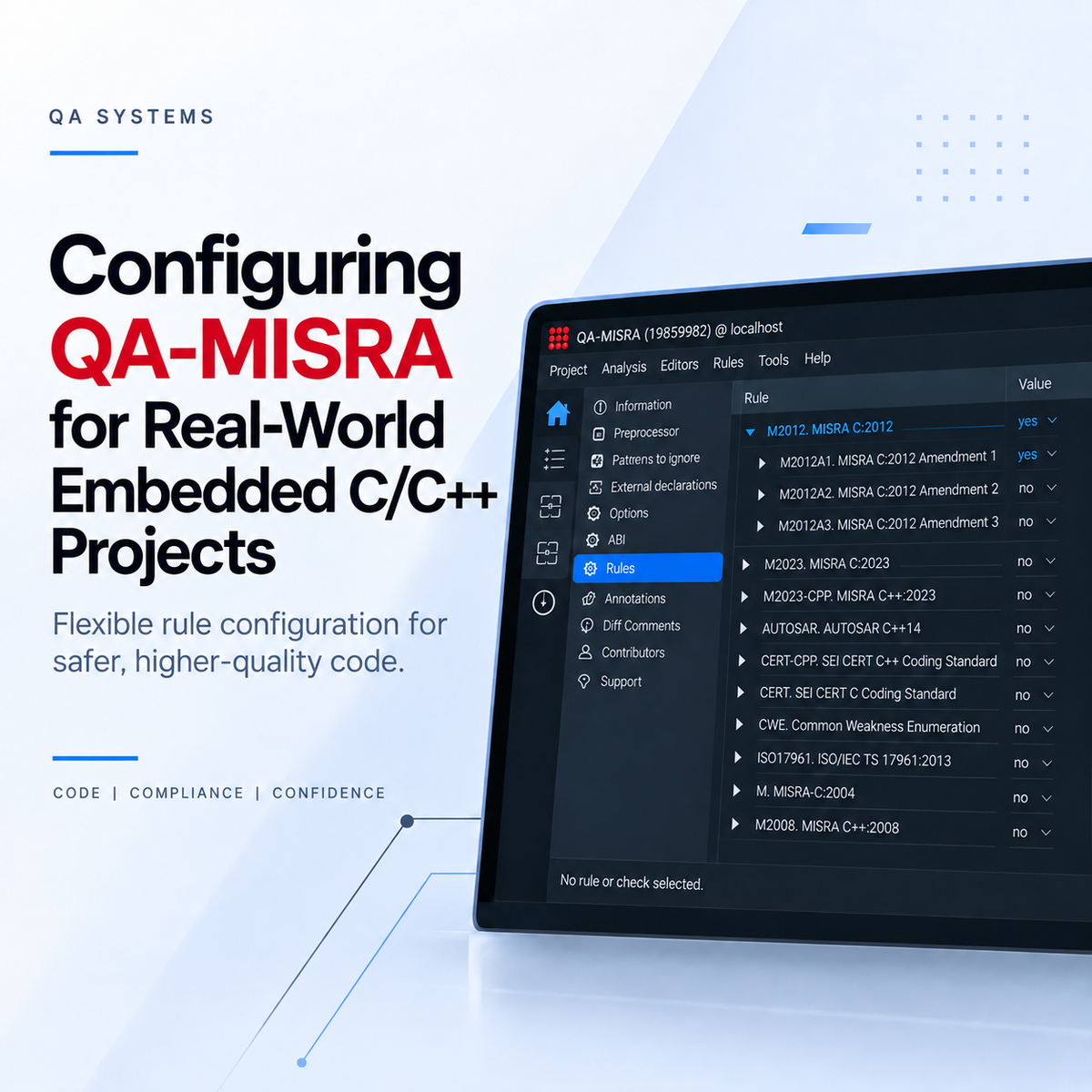
Configuring QA-MISRA for Real-World Embedded C/C++ Projects
Once QA-MISRA has been set up for a C or C++ project, the next step is adapting the analysis to the requirements of the development team. Different projects may follow different coding standard[...]
Read more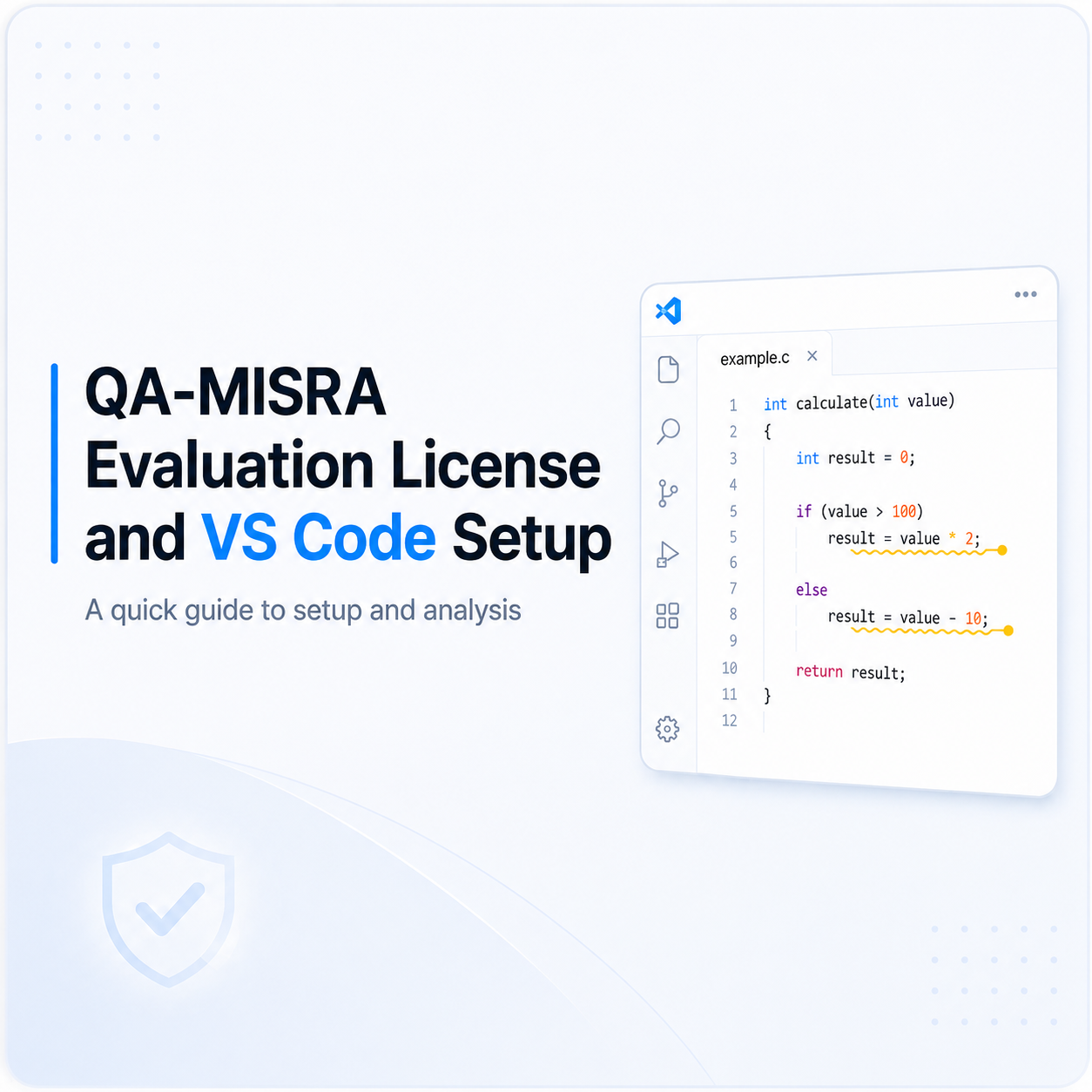
Setting Up a QA-MISRA Evaluation License and VS Code Extension
The following steps explain how to activate a QA-MISRA evaluation license, configure the local server, install the QA-MISRA extension in Visual Studio Code, and run an example analysis. 1. Requ[...]
Read more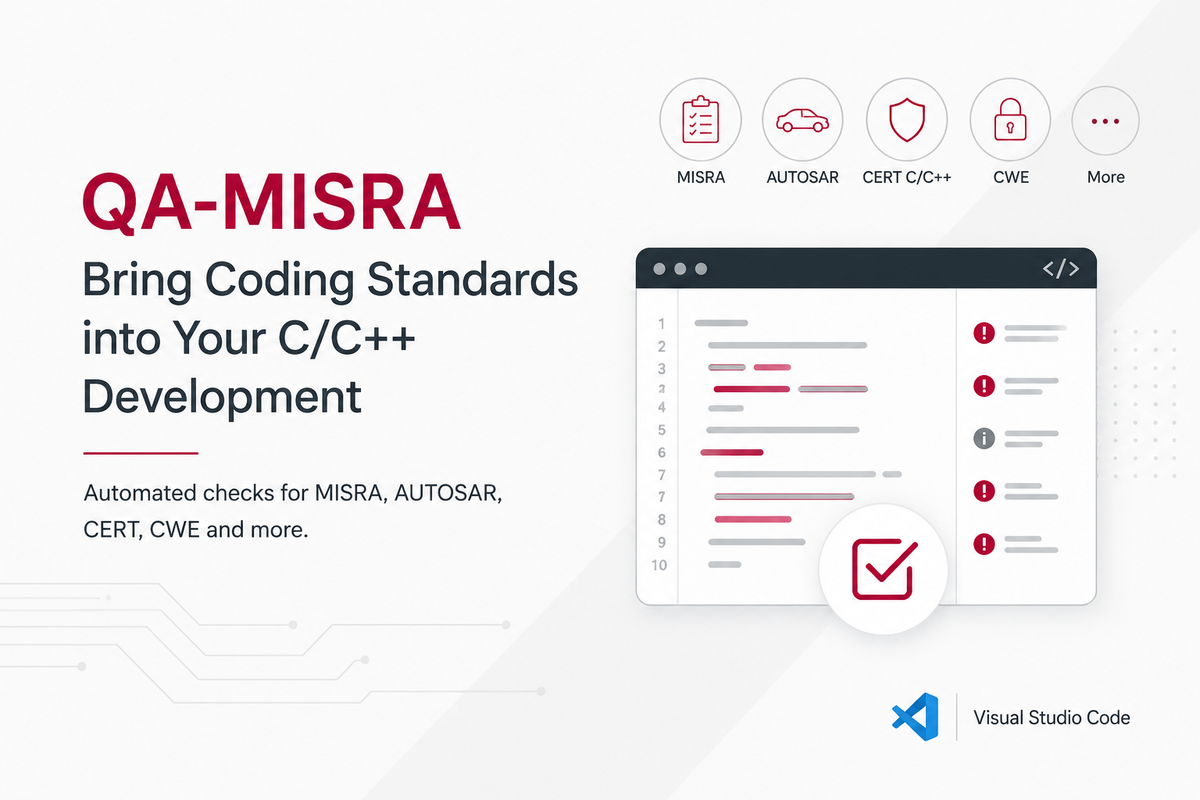
Using QA-MISRA to Bring Coding Standards into C/C++ Development
In embedded and safety-critical software, coding standards help reduce risky language behaviour, improve consistency, and make software easier to review and verify. This is especially important i[...]
Read more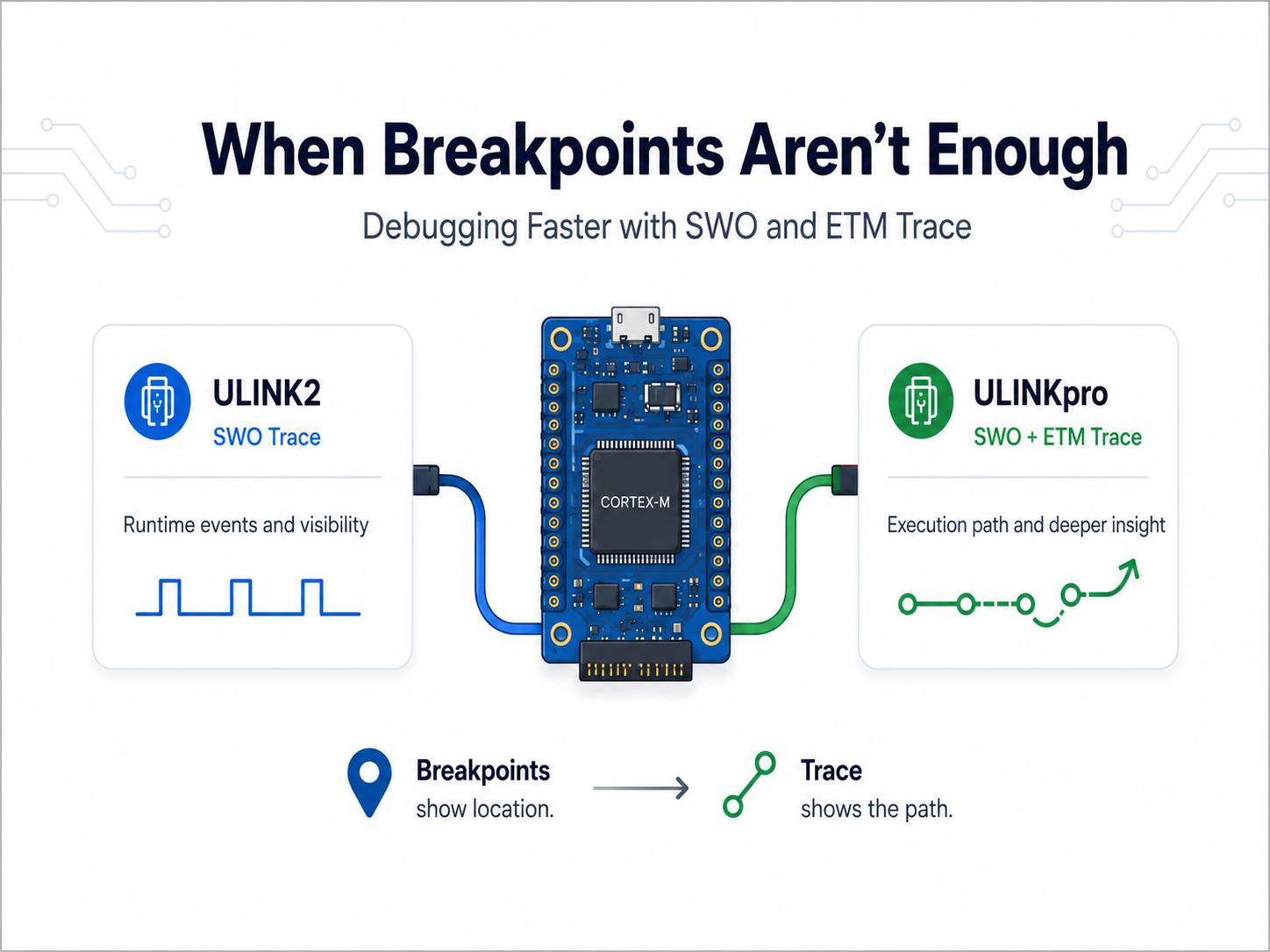
When Breakpoints Aren’t Enough: Debugging Faster with ULINKpro Trace
Most embedded developers are familiar with the usual debugging cycle: set a breakpoint, stop the processor, inspect the problem, make a change, and try again. That works well until the problem [...]
Read more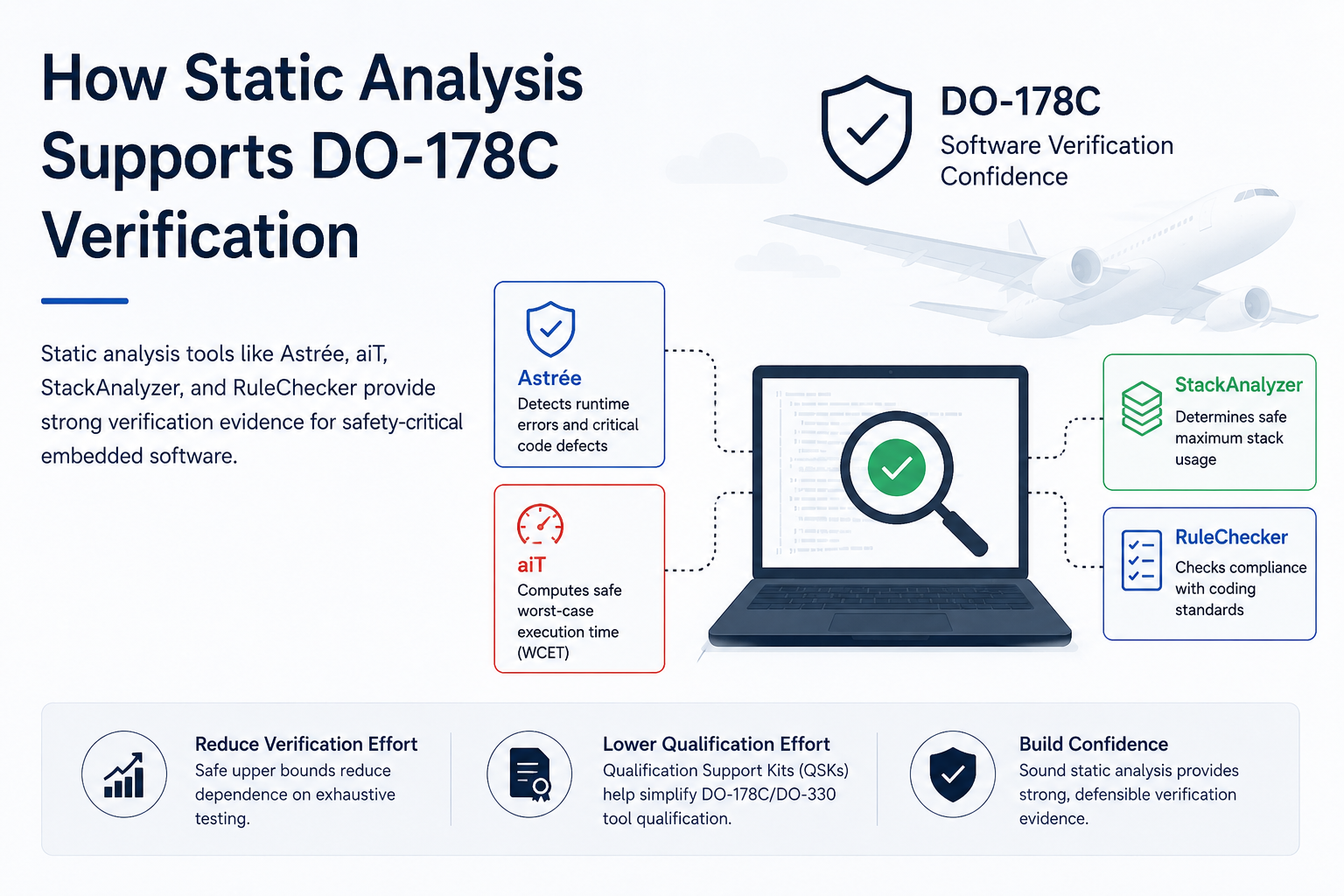
How Static Analysis Supports DO-178C Verification
Developing software for airborne systems requires strong verification evidence, especially for higher-criticality applications. DO-178C defines objectives for airborne software development and ve[...]
Read more
EMBEDDED IS EVERYWHERE

PRODUCTS
Manufacturers
Resource center