
Understanding KEIL MDK User-Based Licensing (UBL) and Its Benefits
Perpetual licenses have been a trusted option for Keil MDK users for many years. However, as development environments become more connected and automated, Keil MDK User-Based Licensing (UBL) offers additional flexibility for modern development teams.
Why consider UBL?
- User-based access – Licenses are assigned to users rather than individual machines, making it easier to work across multiple approved systems.
- Supports modern development workflows – Integrates well with CI/CD pipelines, automated build environments, and distributed development teams using Keil MDK.
- Designed for VS Code and modern IDE workflows – Enables engineers to take advantage of today's development ecosystem, including VS Code extensions, AI-assisted coding tools, and productivity-enhancing integrations while continuing to use Keil development tools.
- Simplified license management – Provides administrators with greater visibility and control over license allocation and usage across engineering teams.
- Access to the latest Arm tools – Includes current Arm development tools such as Arm Compiler for Embedded (Arm Compiler 6), along with ongoing updates and enhancements.
- Legacy toolchain support – UBL Professional also provides access to older Arm toolchains when maintaining existing products and long-term projects.
Perpetual licenses remain a valid option for many projects, but for organizations adopting modern development practices, Keil MDK UBL offers a flexible licensing model aligned with today's engineering workflows.

RELATED NEWS
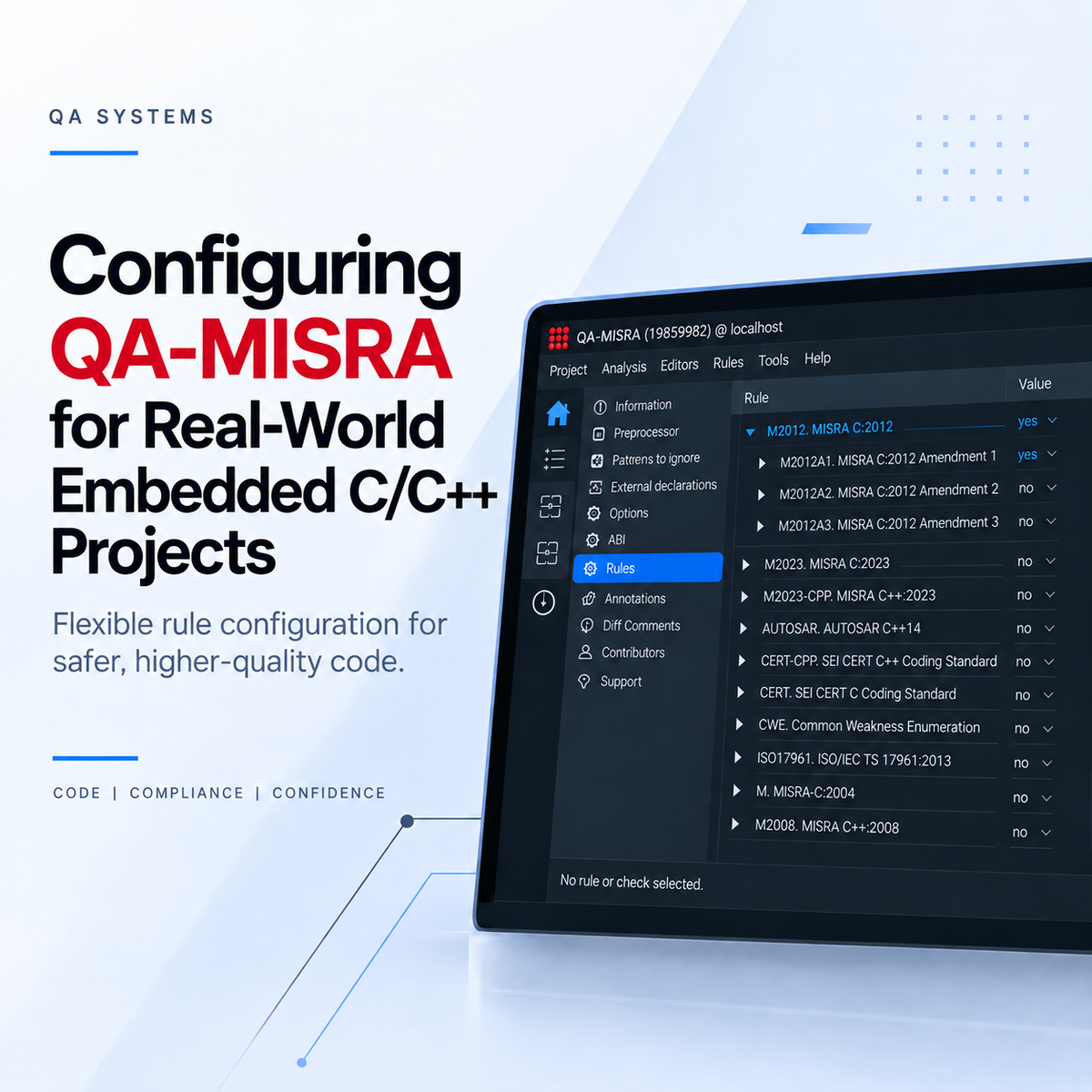
Configuring QA-MISRA for Real-World Embedded C/C++ Projects
Getting QA-MISRA running is only the first part of the setup. For an actual embedded project, you will usually need to decide which coding rules should be checked, how compiler-specific code sho[...]
Read more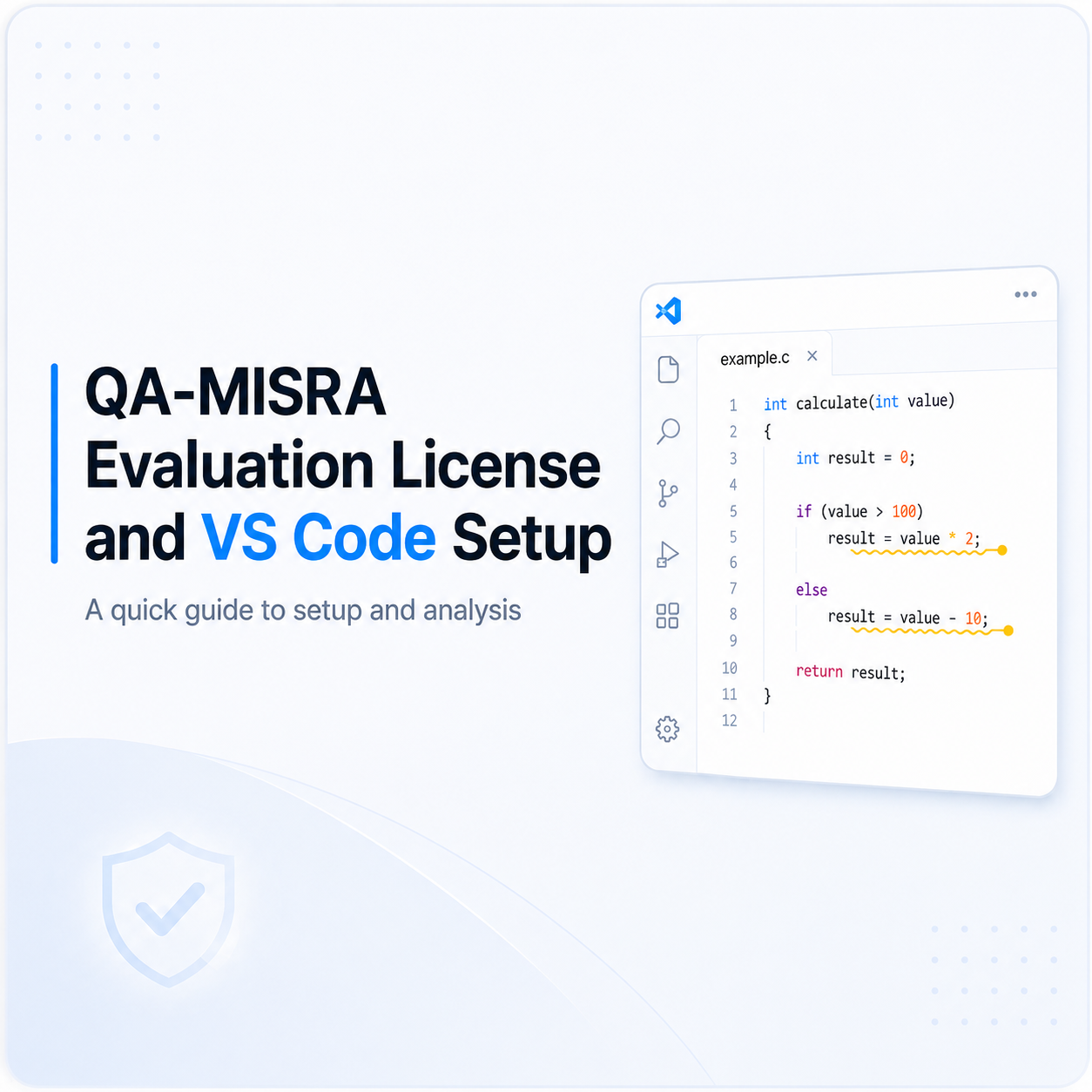
Setting Up a QA-MISRA Evaluation License and VS Code Extension
The following steps explain how to activate a QA-MISRA evaluation license, configure the local server, install the QA-MISRA extension in Visual Studio Code, and run an example analysis. 1. Requ[...]
Read more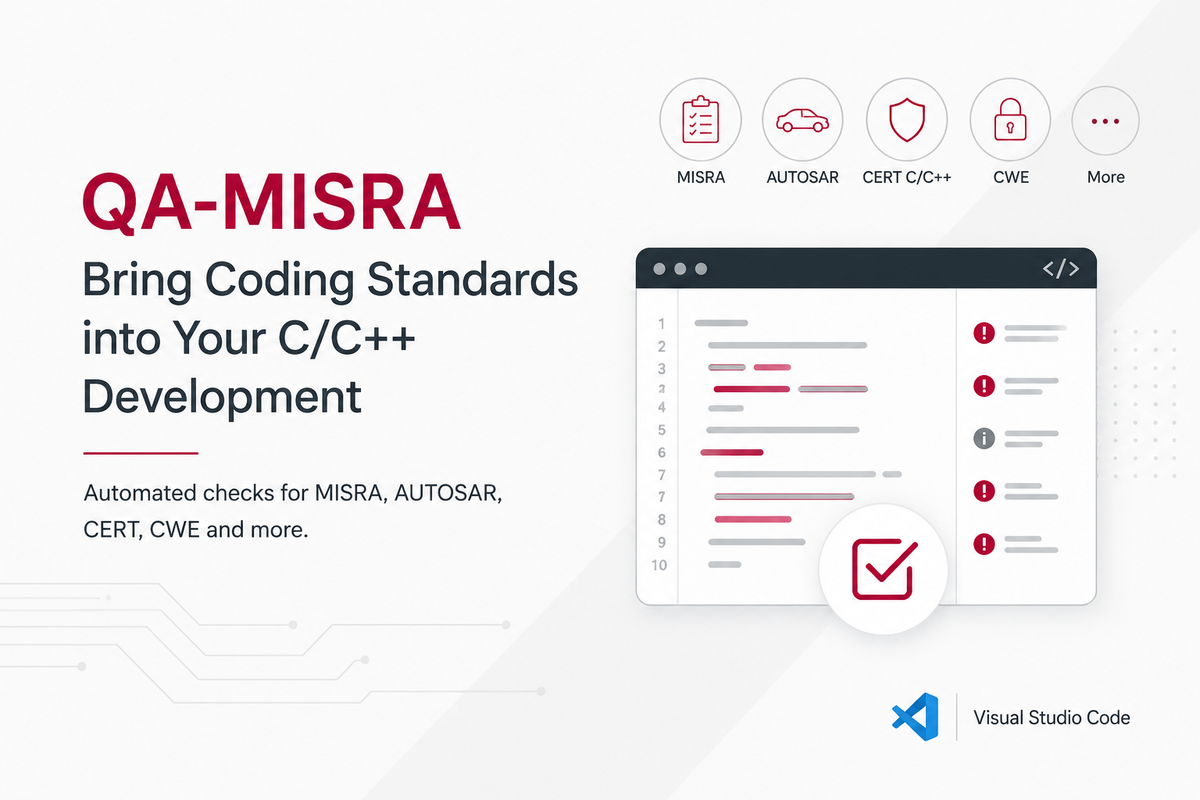
Using QA-MISRA to Bring Coding Standards into C/C++ Development
In embedded and safety-critical software, coding standards help reduce risky language behaviour, improve consistency, and make software easier to review and verify. This is especially important i[...]
Read more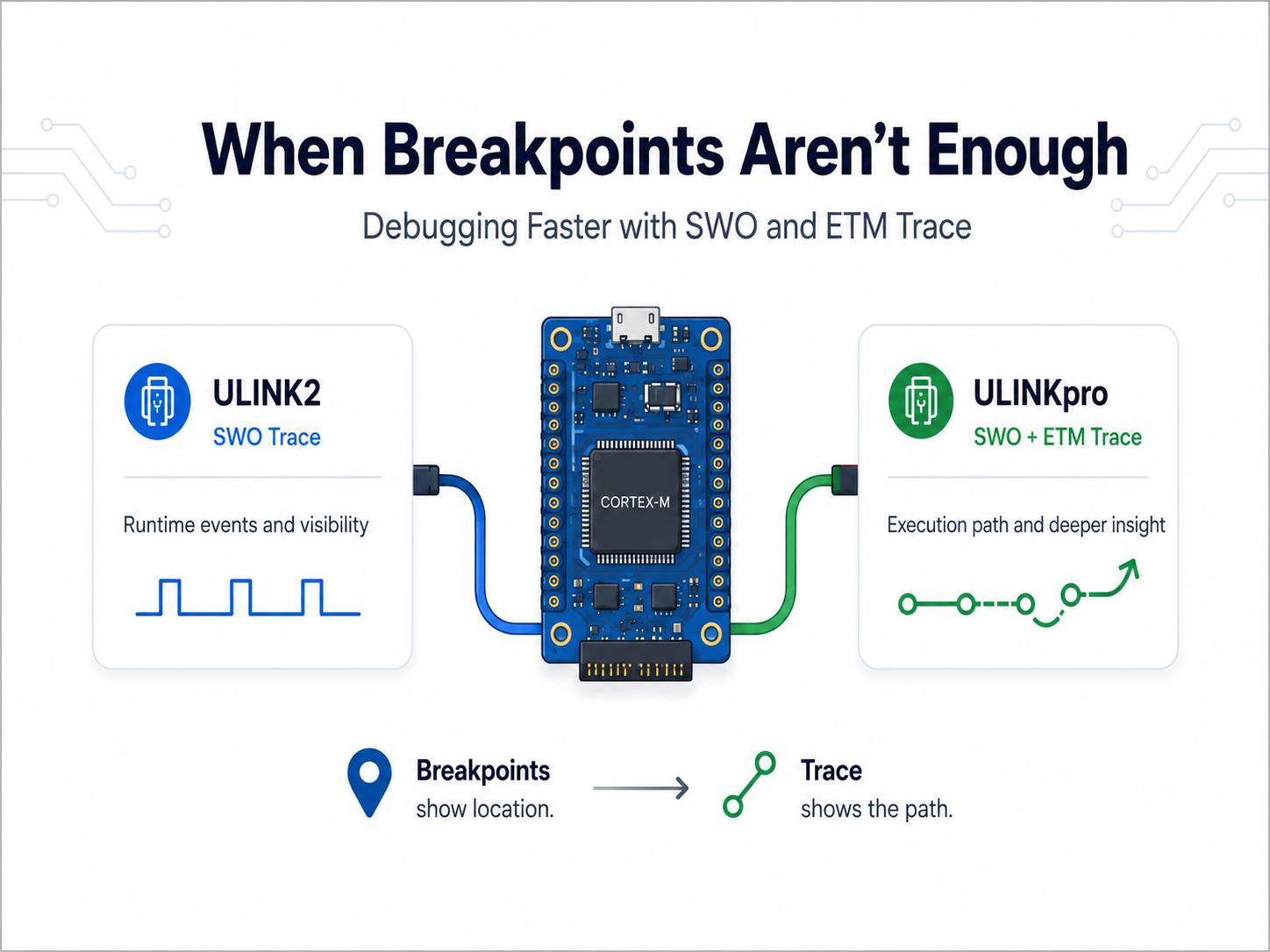
When Breakpoints Aren’t Enough: Debugging Faster with ULINKpro Trace
Most embedded developers are familiar with the usual debugging cycle: set a breakpoint, stop the processor, inspect the problem, make a change, and try again. That works well until the problem [...]
Read more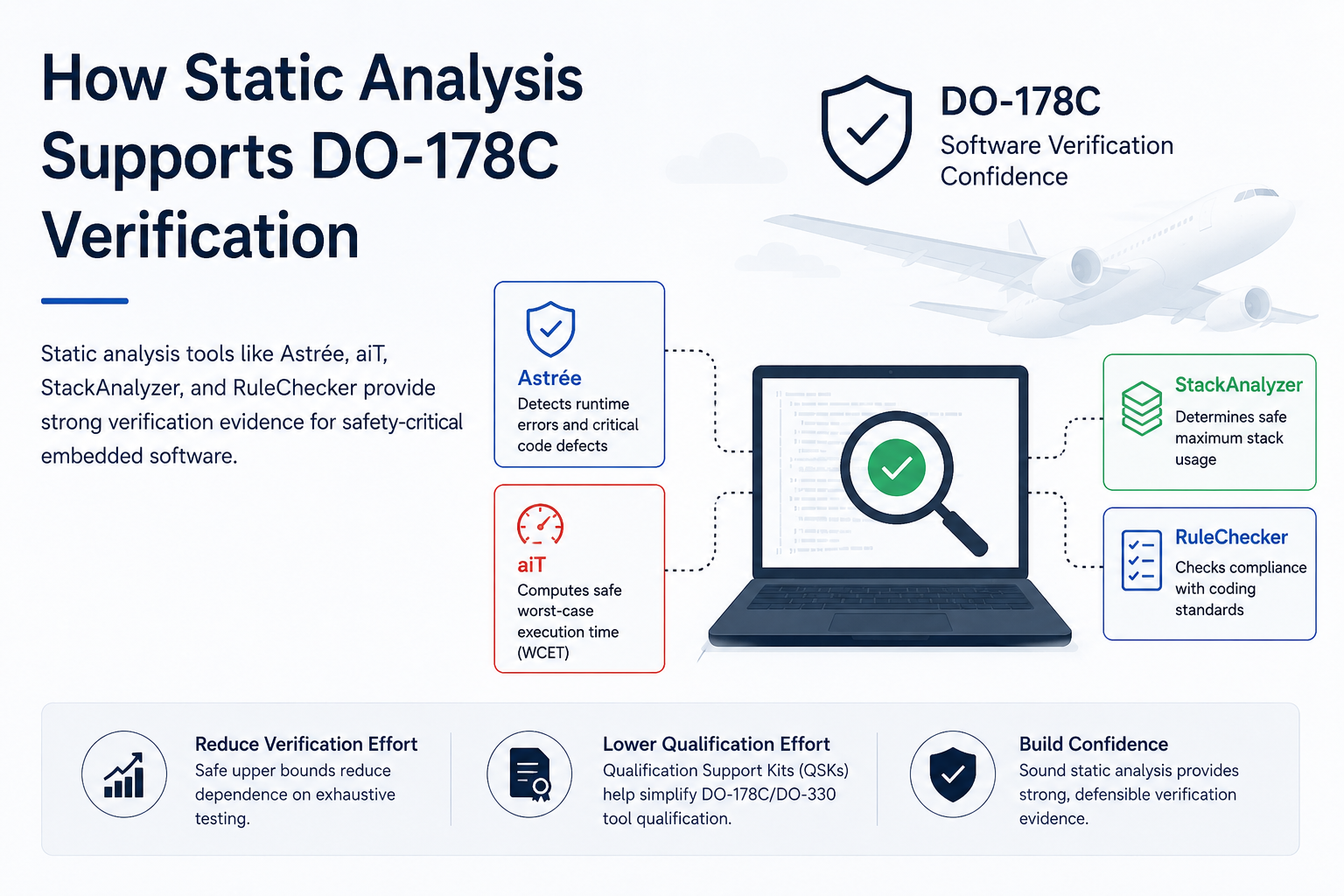
How Static Analysis Supports DO-178C Verification
Developing software for airborne systems requires strong verification evidence, especially for higher-criticality applications. DO-178C defines objectives for airborne software development and ve[...]
Read more
EMBEDDED IS EVERYWHERE

PRODUCTS
Manufacturers
Resource center