

Percepio Announces Collaboration Accelerating Automotive Software Observability

Percepio Tracealyzer® enables BMW Group to monitor embedded software
performance in latest generation of Software-Defined Vehicles.
Västerås, Sweden – 6 November 2025 – Percepio AB, a leading provider of observability
solutions for embedded and edge systems, today announced a collaboration with German
automotive manufacturer BMW Group. Percepio’s flagship product Tracealyzer has been usedby BMW to monitor and optimize software performance in the IP-Basis Integration Platform for body and comfort systems in their next generation of vehicles.
“This is a significant validation of our technology,” said Andreas Lifvendahl, CEO of Percepio AB.
“Modern automotive systems are among the most complex and demanding embedded
environments, and BMW Group’s use of Tracealyzer highlights the value of continuous
observability in mission-critical applications.”
Tracealyzer has provided essential insight into software runtime performance, helping engineersmonitor execution behavior during development and testing in BMW’s acceleration of SoftwareDefined Vehicles (SDVs). Tracealyzer provided the scalability and modularity as key enablers for BMW engineers. Tracealyzer also enabled custom monitors of KPIs and allowed BMW’s existing data collection infrastructure to be seamlessly integrated with Tracealyzer.
The automotive industry is undergoing a transformation toward software-defined architectures.
As vehicles increasingly rely on real-time, embedded software, ensuring runtime reliability and performance becomes essential. Percepio’s Tracealyzer tool addresses these needs by offering visual trace diagnostics that accelerate development and enhance software quality.
Percepio invites OEMs and Tier-1 automotive suppliers to explore how observability can
transform their development workflows and support the transition to SDVs. Percepio is
expanding its portfolio of embedded software observability solutions to meet the growing
demand for reliable products in an ever-increasingly complex world of automotive software and are strong promotors of the best practice of Observability Driven Development (ODD).
For more information, visit percepio.com or contact us to schedule a demonstration.
© 2025 Percepio. Published by JORAL Technologies.
RELATED NEWS
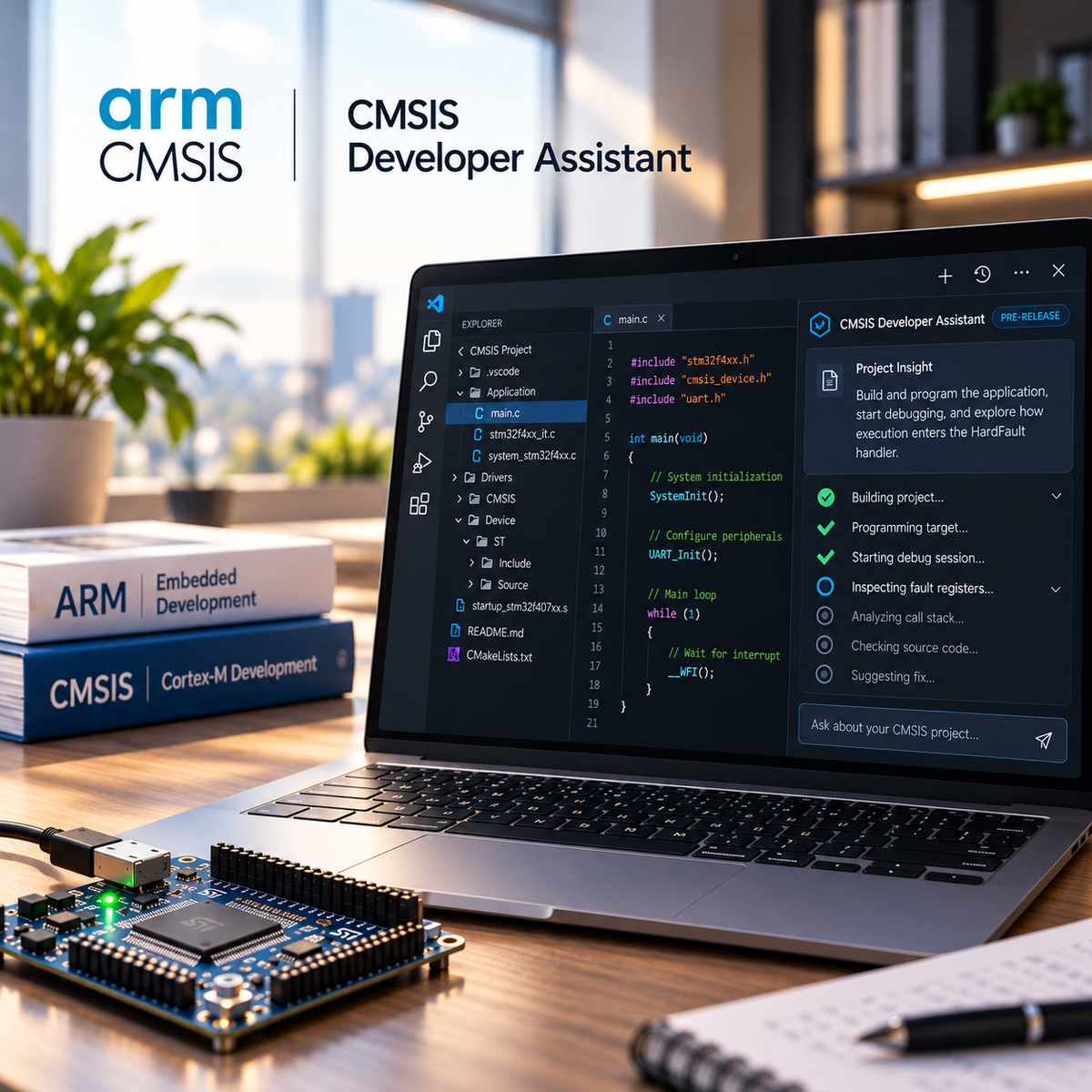
Beyond Code Generation: AI-Assisted Embedded Development with Arm CMSIS
AI coding assistants can generate a UART driver in seconds. But when the output is garbled or an application unexpectedly enters a HardFault handler, the problem may not be obvious from the sourc[...]
Read more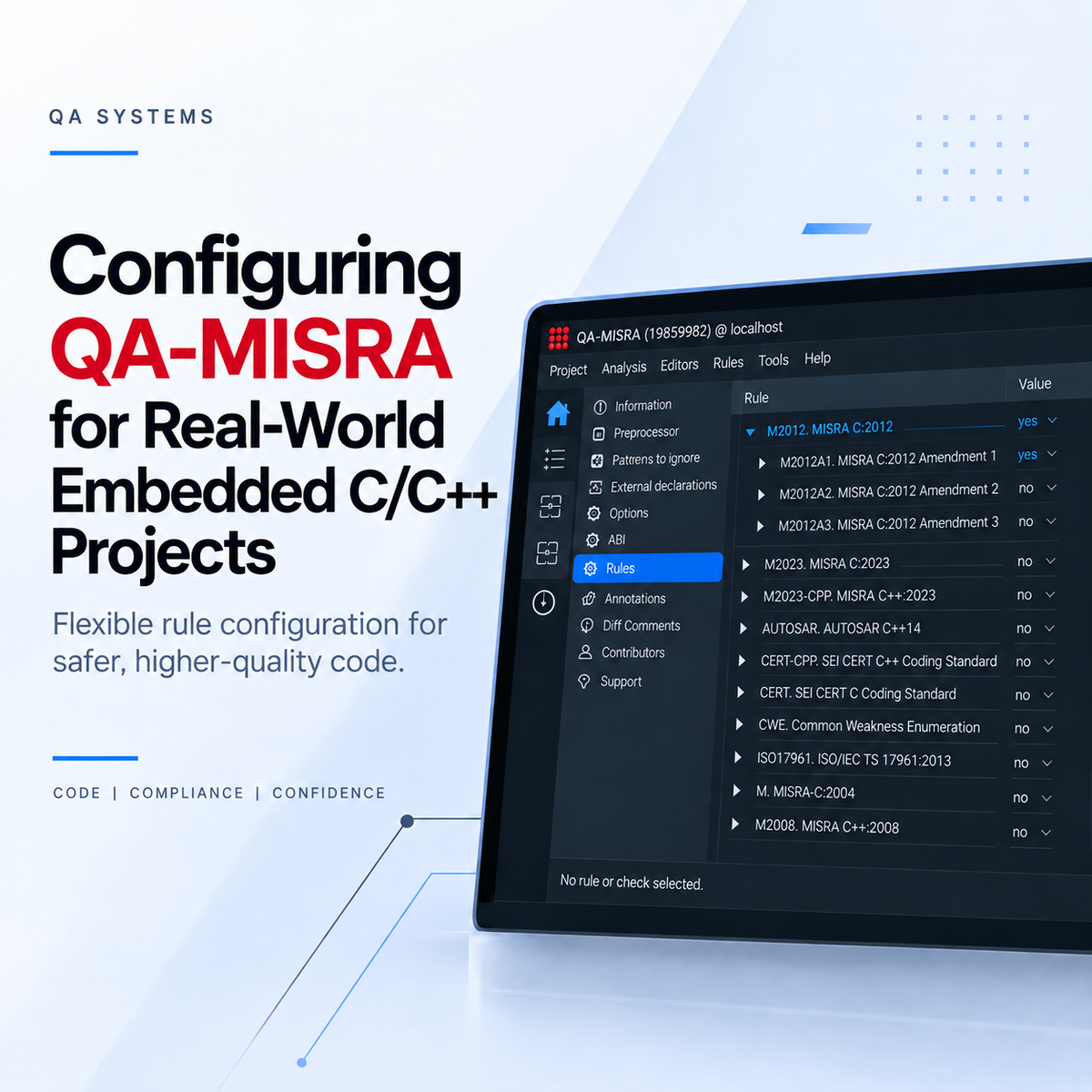
Configuring QA-MISRA for Real-World Embedded C/C++ Projects
Getting QA-MISRA running is only the first part of the setup. For an actual embedded project, you will usually need to decide which coding rules should be checked, how compiler-specific code sho[...]
Read more
Setting Up a QA-MISRA Evaluation License and VS Code Extension
The following steps explain how to activate a QA-MISRA evaluation license, configure the local server, install the QA-MISRA extension in Visual Studio Code, and run an example analysis. 1. Requ[...]
Read more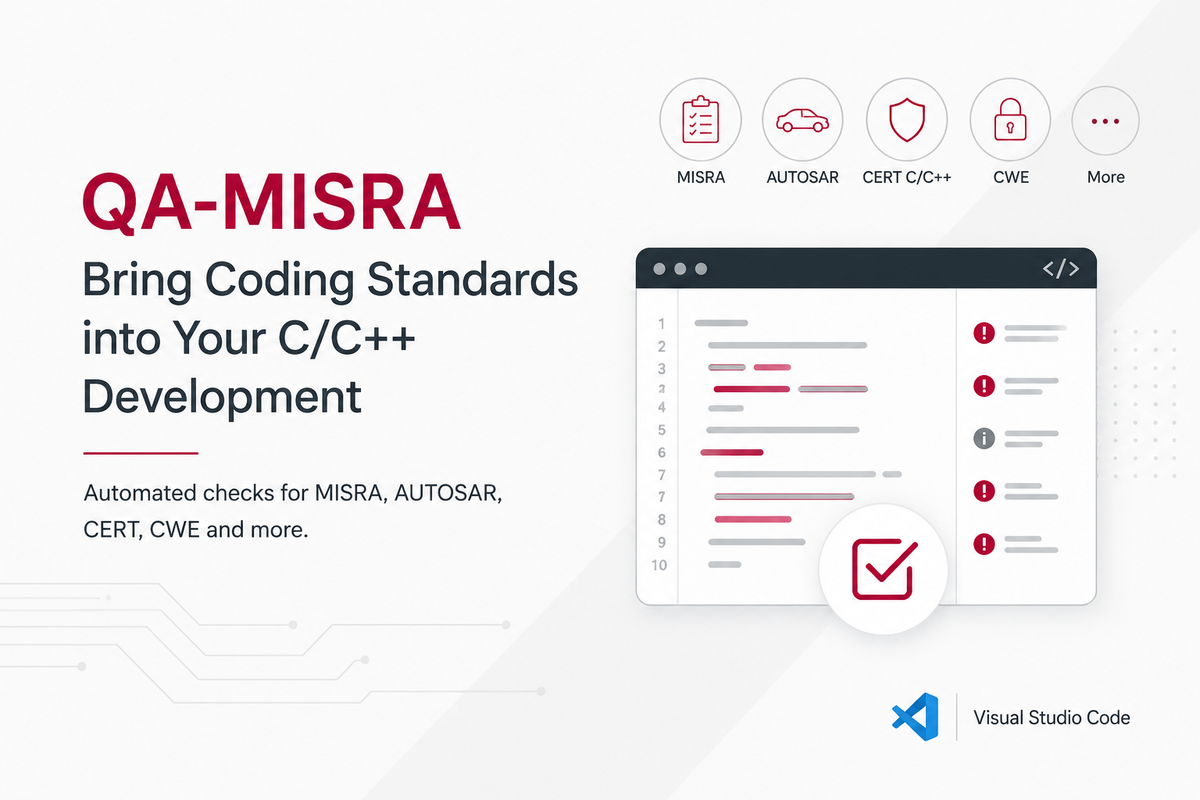
Using QA-MISRA to Bring Coding Standards into C/C++ Development
In embedded and safety-critical software, coding standards help reduce risky language behaviour, improve consistency, and make software easier to review and verify. This is especially important i[...]
Read more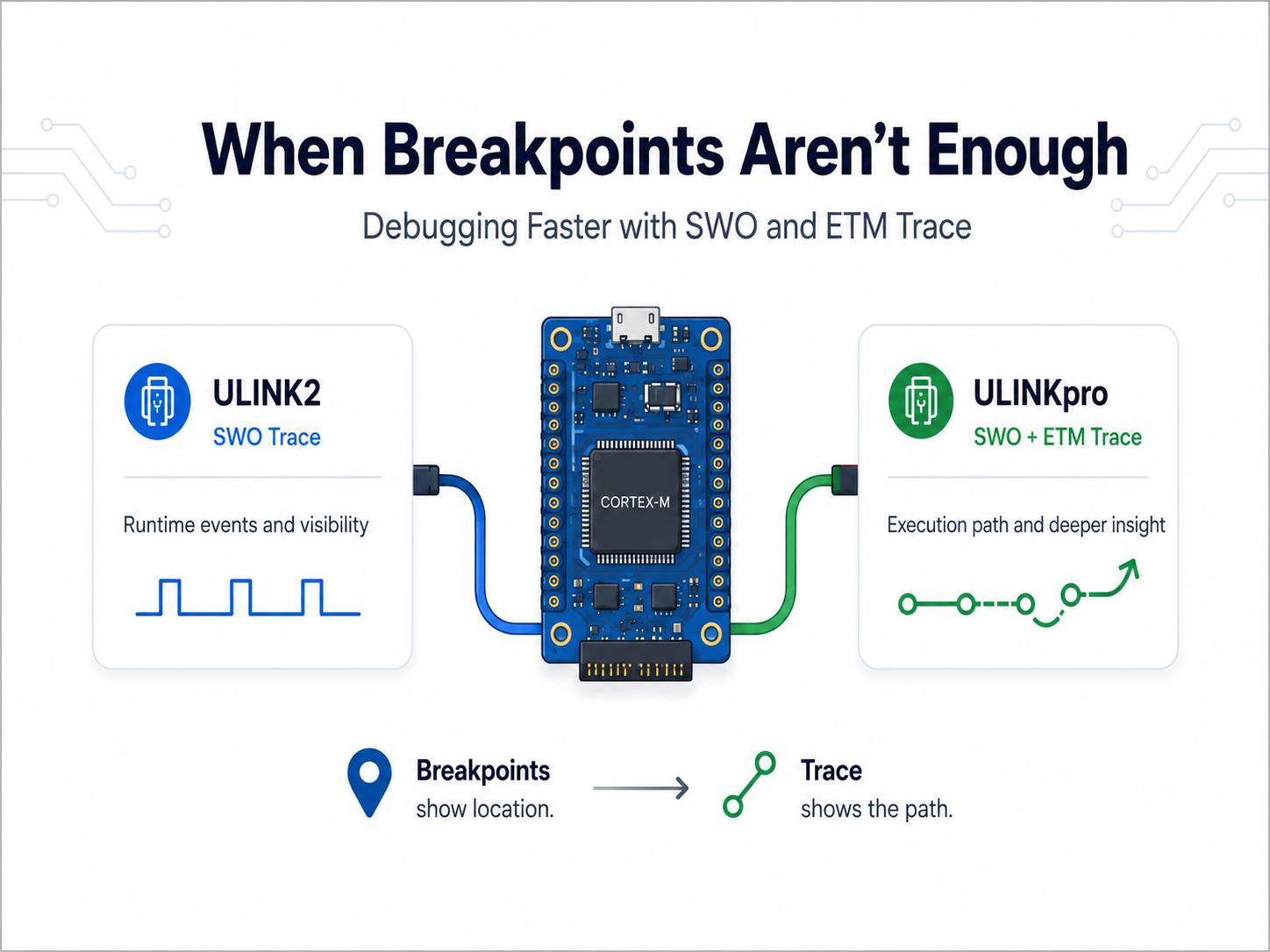
When Breakpoints Aren’t Enough: Debugging Faster with ULINKpro Trace
Most embedded developers are familiar with the usual debugging cycle: set a breakpoint, stop the processor, inspect the problem, make a change, and try again. That works well until the problem [...]
Read more
EMBEDDED IS EVERYWHERE

PRODUCTS
Manufacturers
Resource center