

Why AI May Have a Bigger Impact on Embedded Verification Than Embedded Development
Much of the discussion surrounding AI in embedded systems has focused on one question: Can AI write embedded software? While AI assisted code generation continues to evolve, many engineering organizations are discovering that AI's greatest opportunity may lie elsewhere in reducing the growing effort associated with software verification.
In modern embedded projects, activities such as requirements analysis, test development, traceability management, coverage analysis, and compliance verification can consume 50–70% of the overall software development effort. As products become more complex and schedules become tighter, improving verification efficiency has become just as important as accelerating software development.
Rather than replacing embedded engineers, AI is helping teams automate repetitive tasks so they can spend more time solving engineering problems.
One of the earliest opportunities for AI is during requirements analysis. Large embedded projects often contain hundreds or even thousands of requirements that must be reviewed for ambiguity, consistency, completeness, and traceability. Instead of starting with a manual review, teams can use Developair to automatically identify ambiguous wording, inconsistent terminology, missing acceptance criteria, and traceability gaps. Engineers remain in control, while AI provides a valuable first pass that allows reviews to focus on engineering decisions rather than document cleanup.
Verification effort continues to increase once software reaches testing. Creating and maintaining unit tests, measuring coverage, and updating regression suites after requirement changes can quickly become one of the most time consuming phases of development. AI can help generate an initial set of test scenarios directly from the requirements, which can then be imported into Cantata for execution, refinement, and automated regression testing. Instead of starting from scratch, teams begin with a solid baseline that can be expanded and validated using statement, branch, and MC/DC coverage. Depending on project complexity and process maturity, automating parts of this workflow can reduce verification effort by 20–40% while improving consistency across the test suite.
AI generated code and tests still require engineering validation. Rather than replacing established verification practices, AI is becoming another tool within the embedded workflow helping engineers improve traceability, reduce repetitive effort, and deliver higher-quality software with greater confidence.
Interested in modernizing your embedded software verification workflow? Contact Hrutik Champaneri at hrutik.champaneri@joraltechnologies.com to learn more and reserve your spot for our upcoming DevelopAIR and Cantata webinar.
Watch the video below to explore the AI features available in Cantata and the tasks you can accomplish using Claude AI.
RELATED NEWS
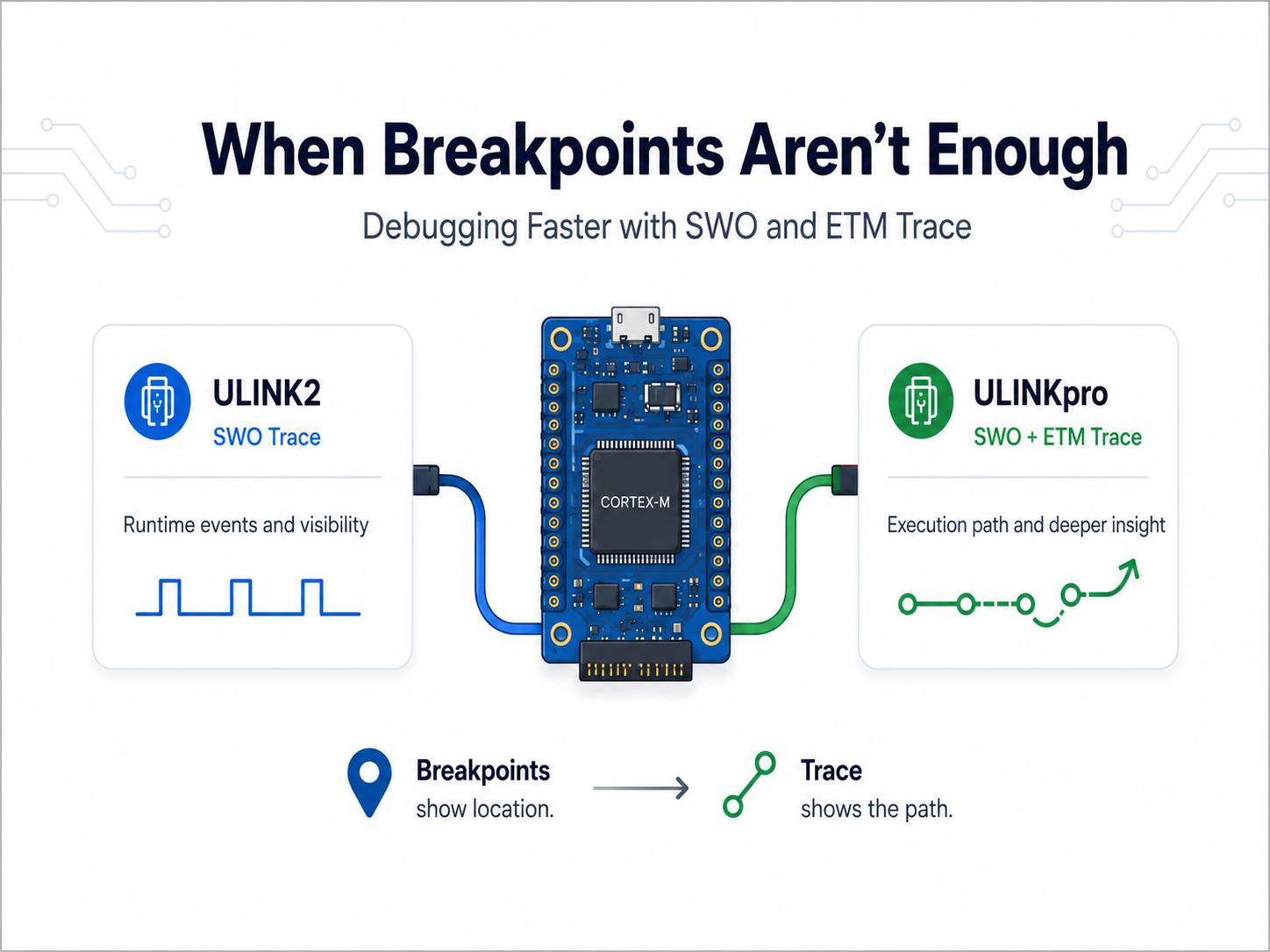
When Breakpoints Aren’t Enough: Debugging Faster with ULINKpro Trace
Most embedded developers are familiar with the usual debugging cycle: set a breakpoint, stop the processor, inspect the problem, make a change, and try again. That works well until the problem [...]
Read more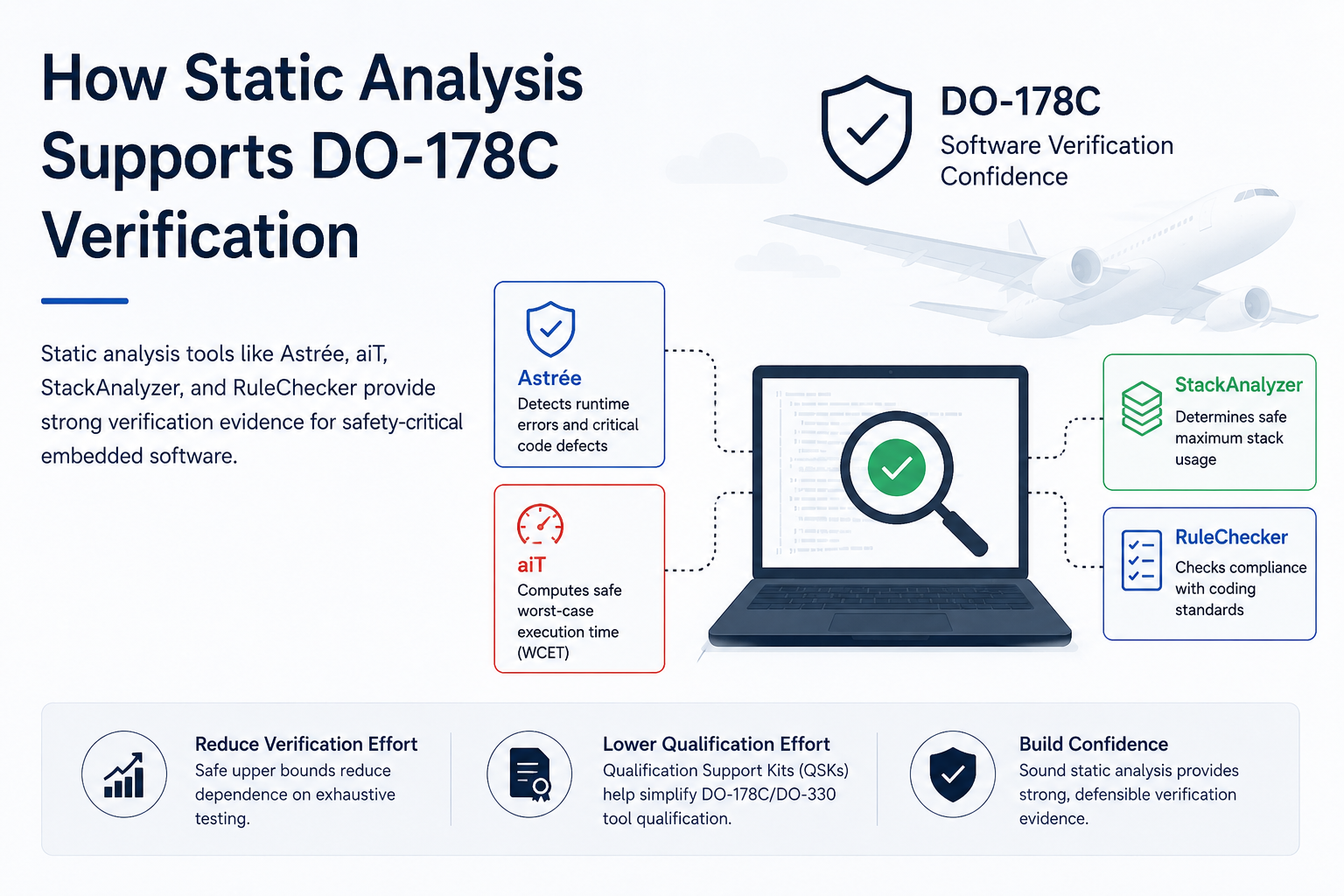
How Static Analysis Supports DO-178C Verification
Developing software for airborne systems requires strong verification evidence, especially for higher-criticality applications. DO-178C defines objectives for airborne software development and ve[...]
Read more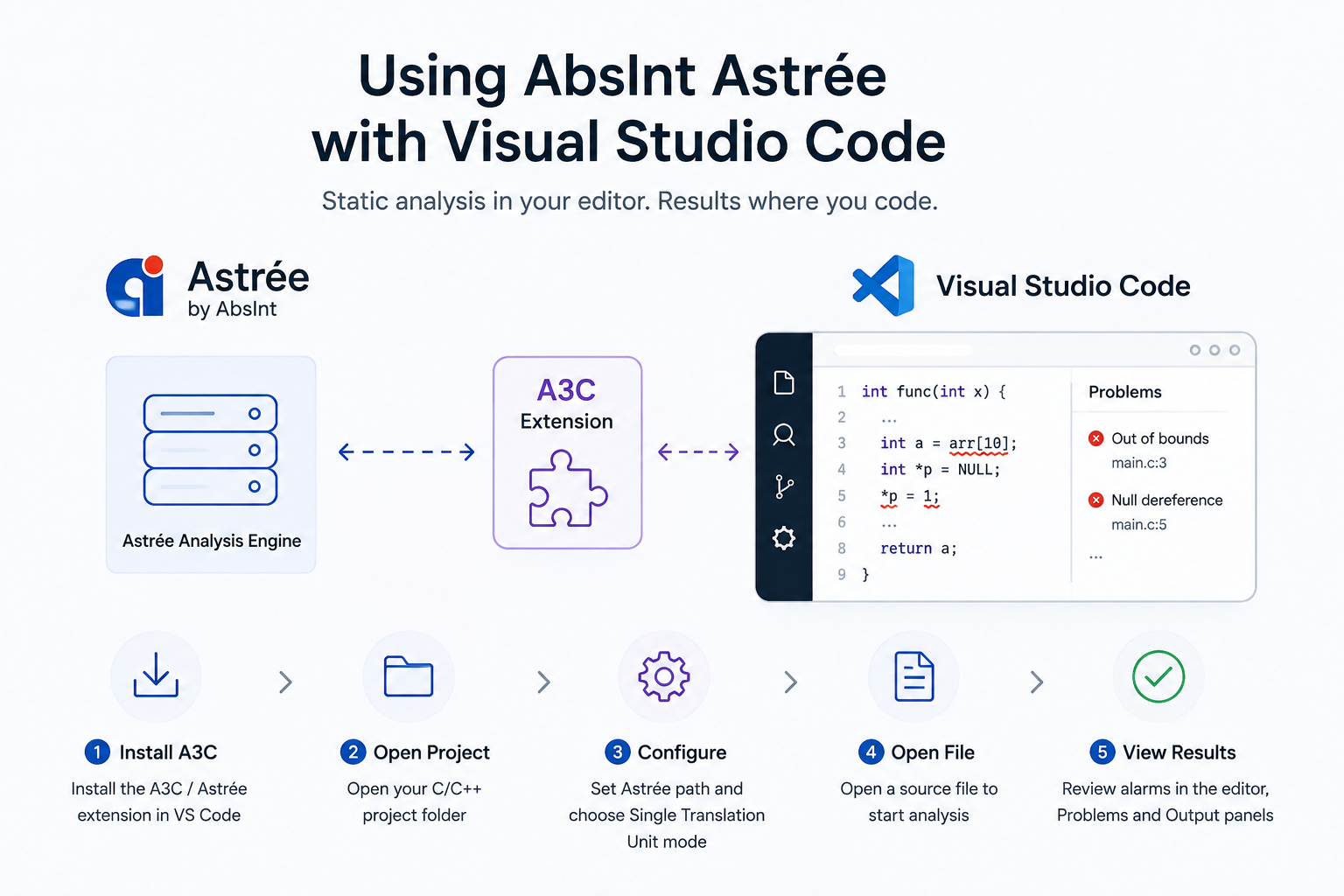
Installing and Using AbsInt Astrée with Visual Studio Code
AbsInt Astrée can be integrated with Visual Studio Code using the A3C extension, allowing developers to run Astrée analysis and review detected alarms directly within the editor. Install and Con[...]
Read more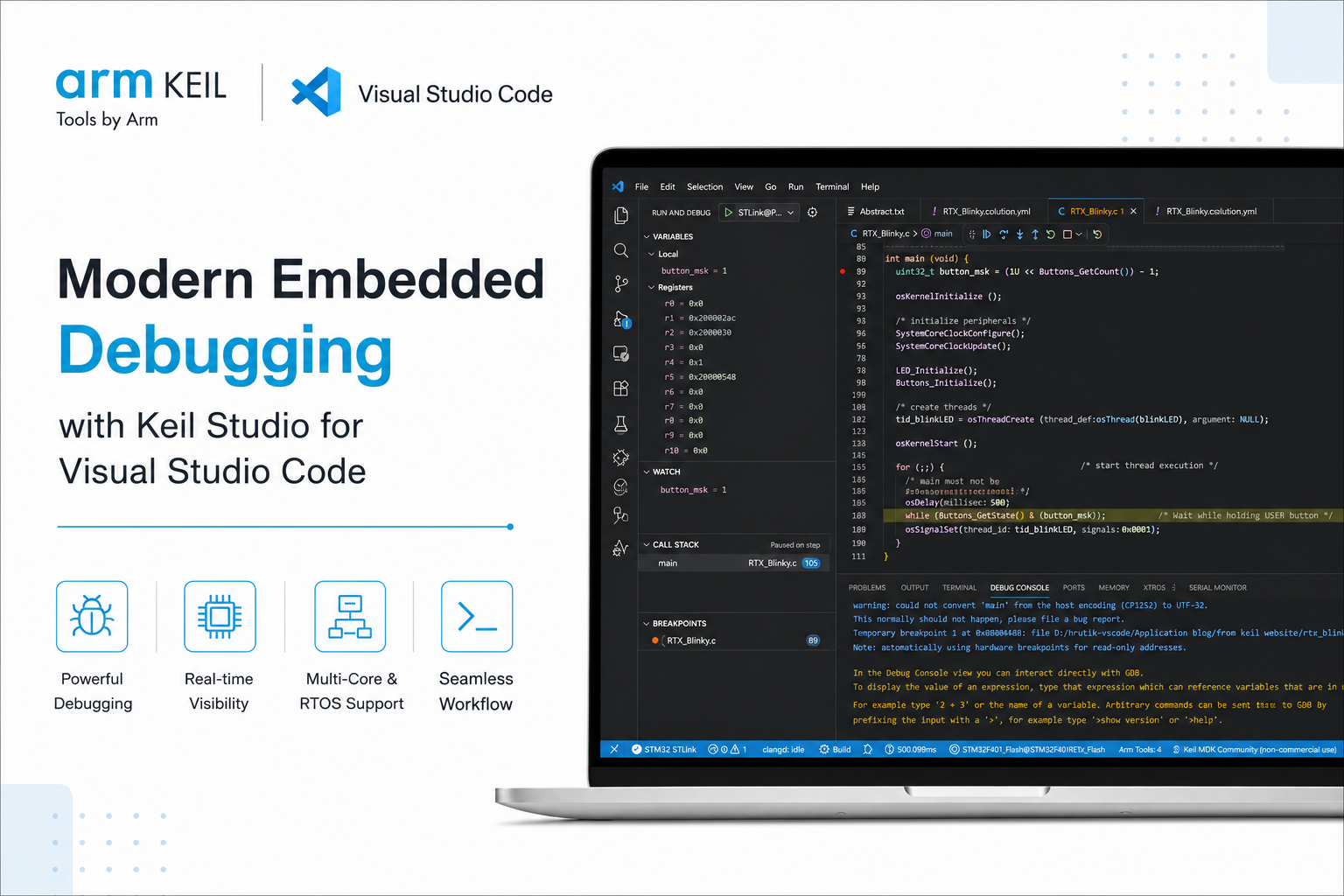
Modern Embedded Debugging with Keil Studio for Visual Studio Code
Visual Studio Code has rapidly become a preferred development environment for embedded software, and many engineering teams are now looking beyond editing and building firmware. The Arm Keil Stud[...]
Read more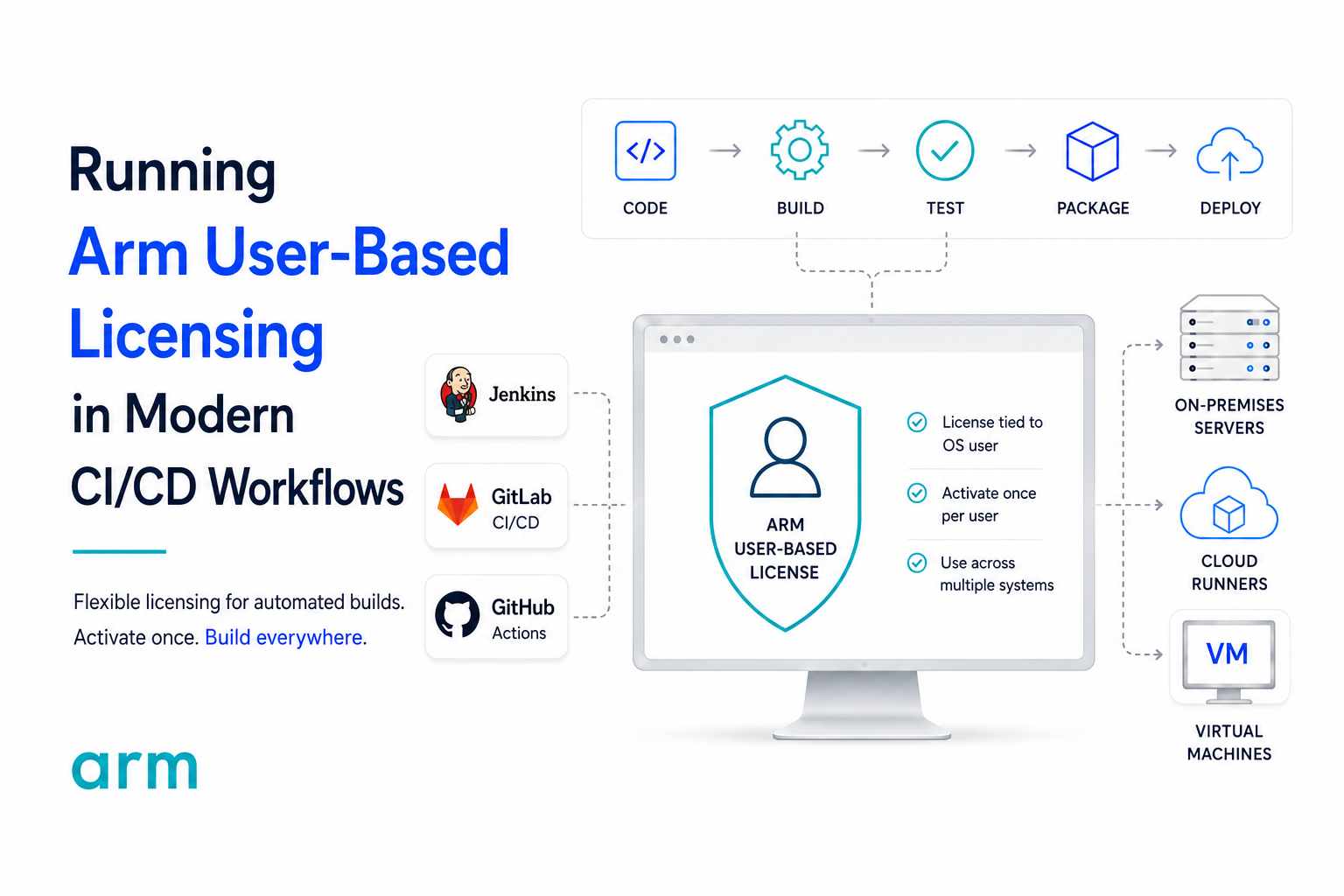
Running Arm User-Based Licensing in Modern CI/CD Workflows
Modern embedded software development no longer ends at a successful local build. Firmware is now continuously compiled, tested, analyzed, and packaged through automated pipelines running on Jenki[...]
Read more
EMBEDDED IS EVERYWHERE

PRODUCTS
Manufacturers
Resource center