
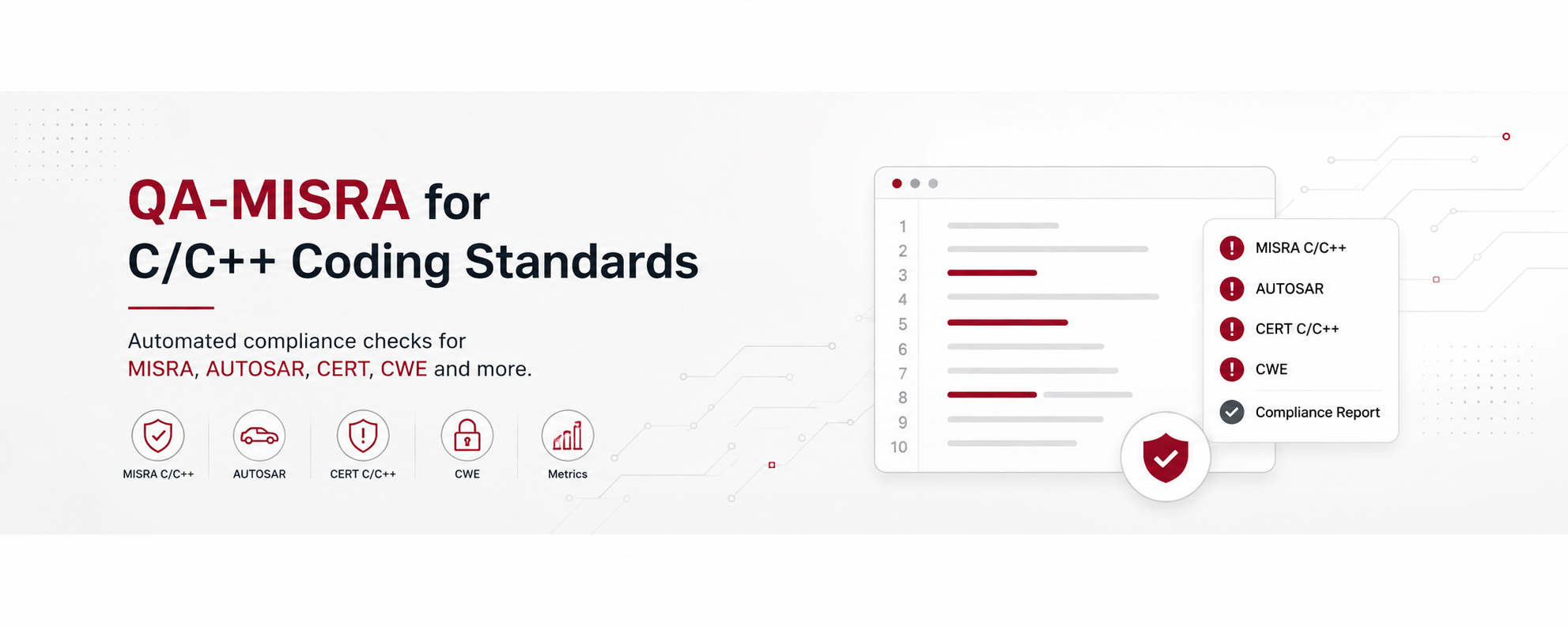
Using QA-MISRA to Bring Coding Standards into C/C++ Development
In embedded and safety-critical software, coding standards help reduce risky language behaviour, improve consistency, and make software easier to review and verify. This is especially important in industries such as automotive, aerospace, medical, rail, and industrial systems, where software reliability and traceability are critical.
The challenge is applying those standards consistently across a real C or C++ codebase.
WHAT QA-MISRA DOES
QA-MISRA is a static code analysis tool focused on C/C++ coding-standard compliance and code quality.
It automatically checks source code against coding standards and security rule sets including MISRA C/C++, AUTOSAR C++, CERT C/C++, CWE, JSF AV C++ and ISO TS 17961.
Unlike deeper runtime-error analysis tools such as Astrée, QA-MISRA is primarily focused on the question: “Does this code follow the coding and quality rules defined for the project?”
WHY USE QA-MISRA?
Manually checking hundreds of coding rules during code reviews quickly becomes difficult, especially on larger projects.
QA-MISRA automates these checks and applies the same rules consistently across the codebase.
Write C/C++ Code → QA-MISRA Analysis → Review Violations → Fix or Assess Issues → Continue Development
This helps teams detect issues earlier, reduce manual review effort, and make coding-standard compliance part of everyday development rather than something checked only near the end of a project.
USING QA-MISRA WITH Visual Studio Code
QA-MISRA can also be integrated directly into Visual Studio Code using the A3C C/C++ LSP Client.
After installing QA-MISRA and configuring the license:
- Install the A3C C/C++ LSP Client in VS Code.
- Configure the path to your QA-MISRA installation.
- Open your C or C++ project.
- Run the analysis and review detected violations directly in the editor, Problems, and Output panels.
For detailed setup instructions, see our step-by-step QA-MISRA evaluation license and VS Code setup guide: QA-MISRA Evaluation License and VS Code Setup Guide
Bring Coding Standards into Your Workflow
QA-MISRA helps turn coding standards from documentation into something that can be checked continuously during development.
You can also explore the available QA-MISRA licensing options and configurations on the Joral Technologies website. View QA-MISRA Licensing Options
For an evaluation license, installation support, or help integrating QA-MISRA into your development workflow, reach out to hrutik.champaneri@joraltechnologies.com and start bringing coding-standard compliance directly into your C/C++ development process.
RELATED NEWS
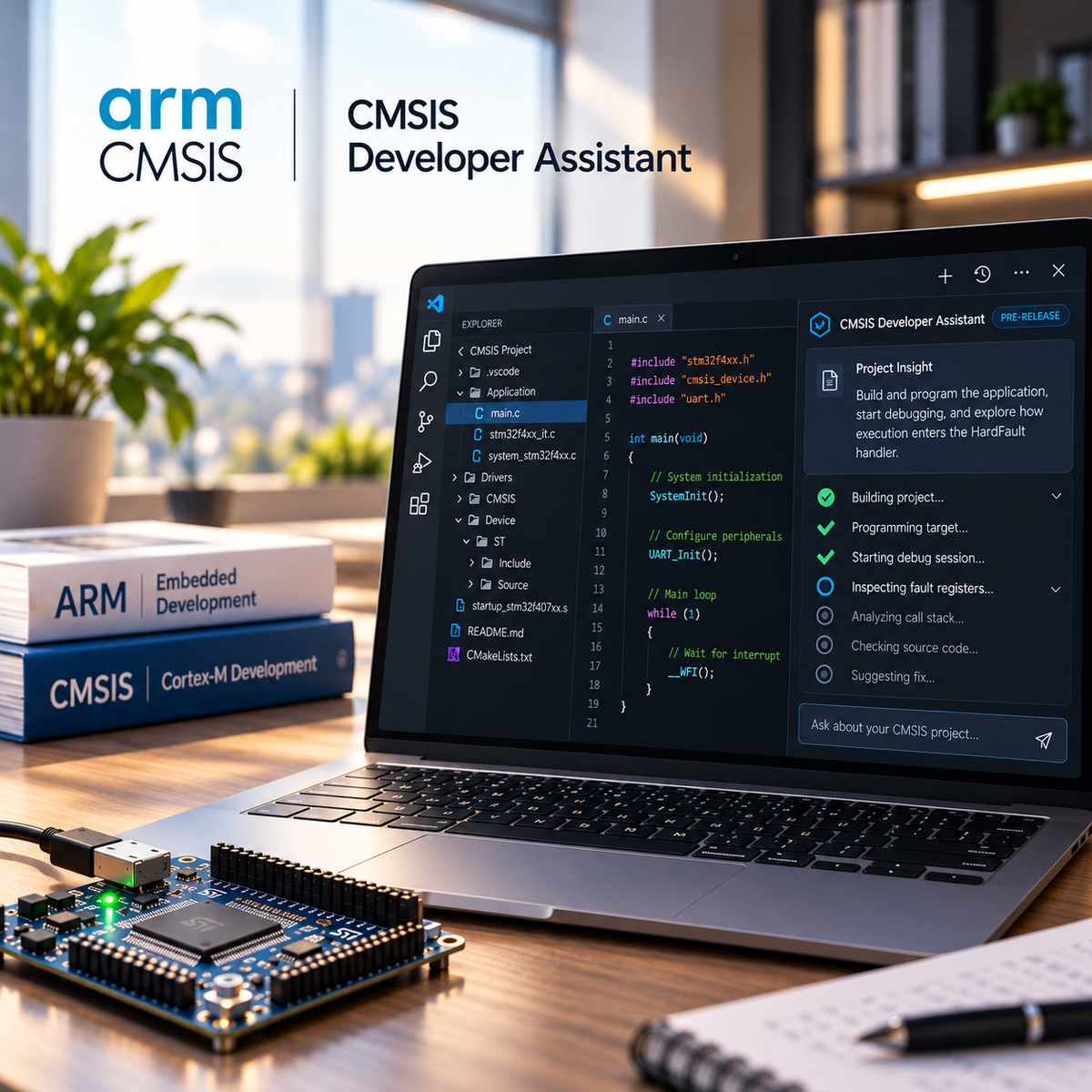
Beyond Code Generation: AI-Assisted Embedded Development with Arm CMSIS
AI coding assistants can generate a UART driver in seconds. But when the output is garbled or an application unexpectedly enters a HardFault handler, the problem may not be obvious from the sourc[...]
Read more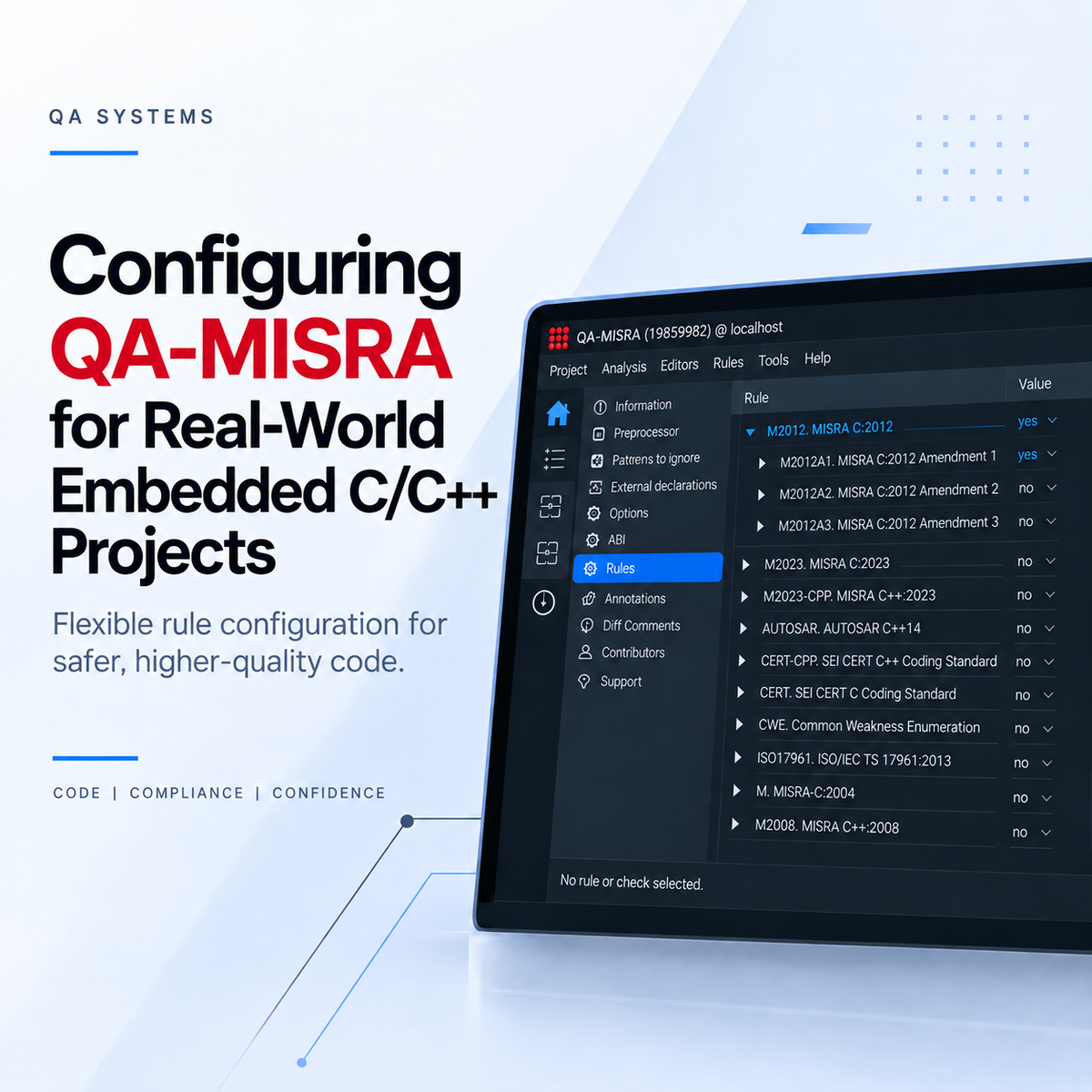
Configuring QA-MISRA for Real-World Embedded C/C++ Projects
Getting QA-MISRA running is only the first part of the setup. For an actual embedded project, you will usually need to decide which coding rules should be checked, how compiler-specific code sho[...]
Read more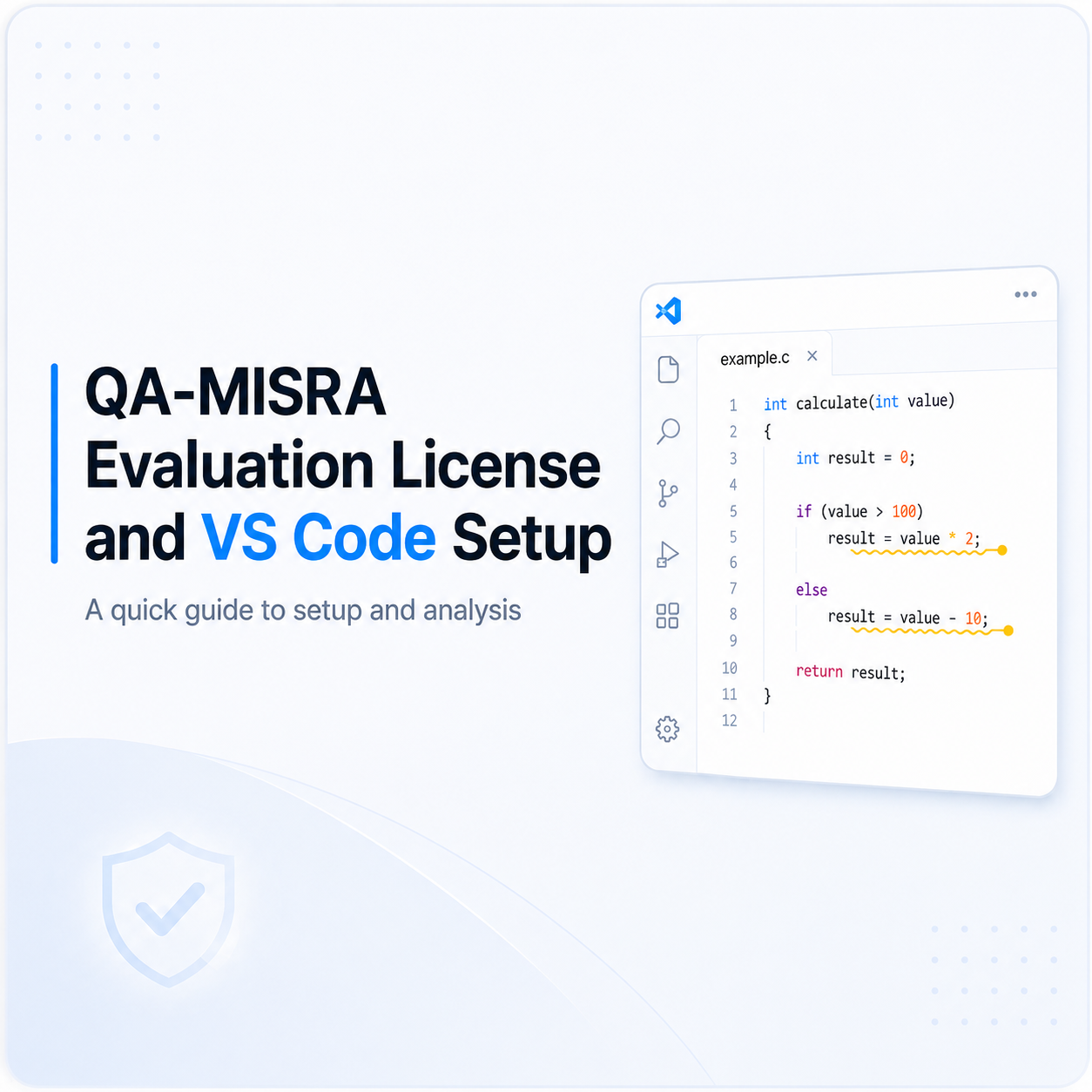
Setting Up a QA-MISRA Evaluation License and VS Code Extension
The following steps explain how to activate a QA-MISRA evaluation license, configure the local server, install the QA-MISRA extension in Visual Studio Code, and run an example analysis. 1. Requ[...]
Read more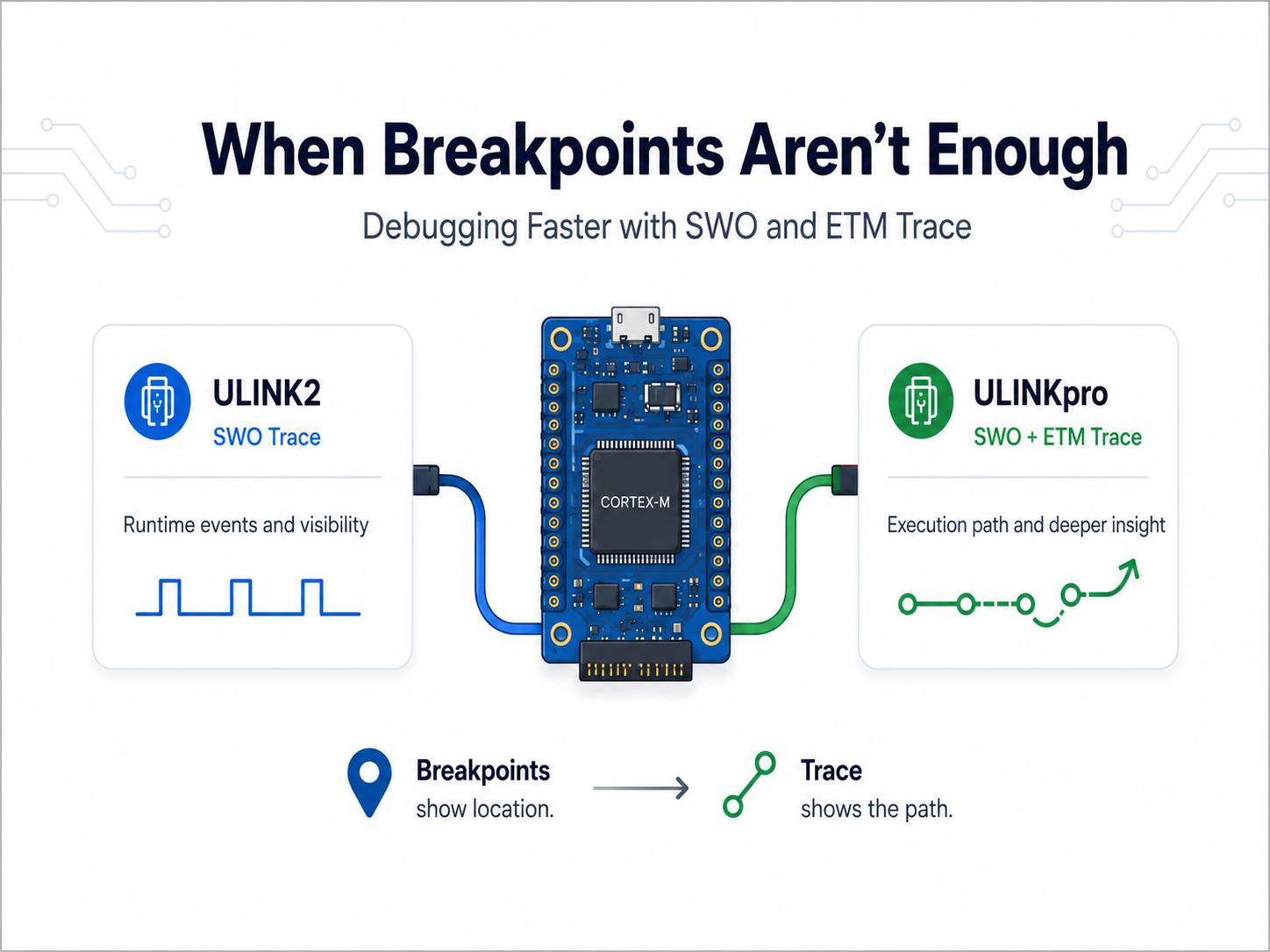
When Breakpoints Aren’t Enough: Debugging Faster with ULINKpro Trace
Most embedded developers are familiar with the usual debugging cycle: set a breakpoint, stop the processor, inspect the problem, make a change, and try again. That works well until the problem [...]
Read more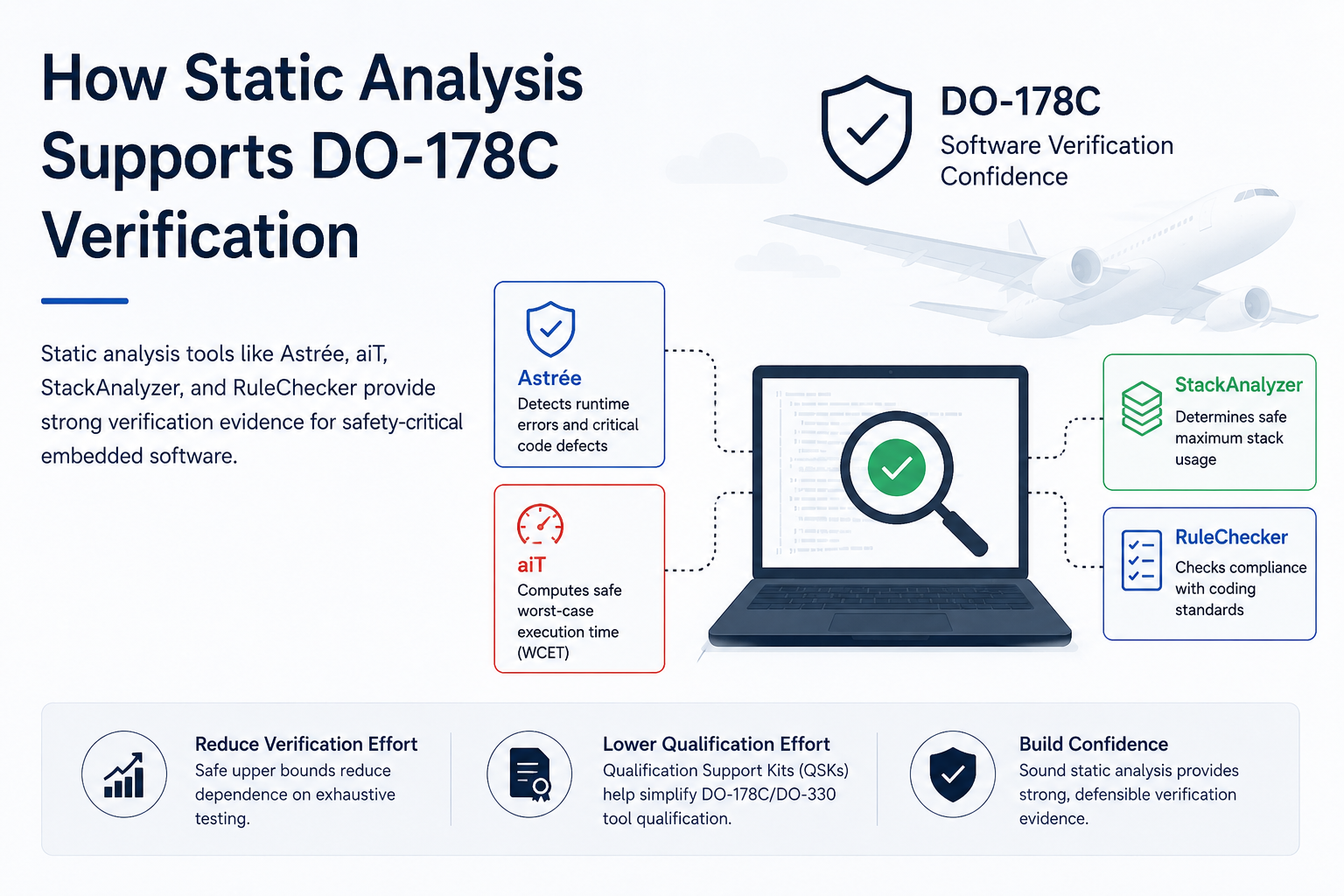
How Static Analysis Supports DO-178C Verification
Developing software for airborne systems requires strong verification evidence, especially for higher-criticality applications. DO-178C defines objectives for airborne software development and ve[...]
Read more
EMBEDDED IS EVERYWHERE

PRODUCTS
Manufacturers
Resource center