
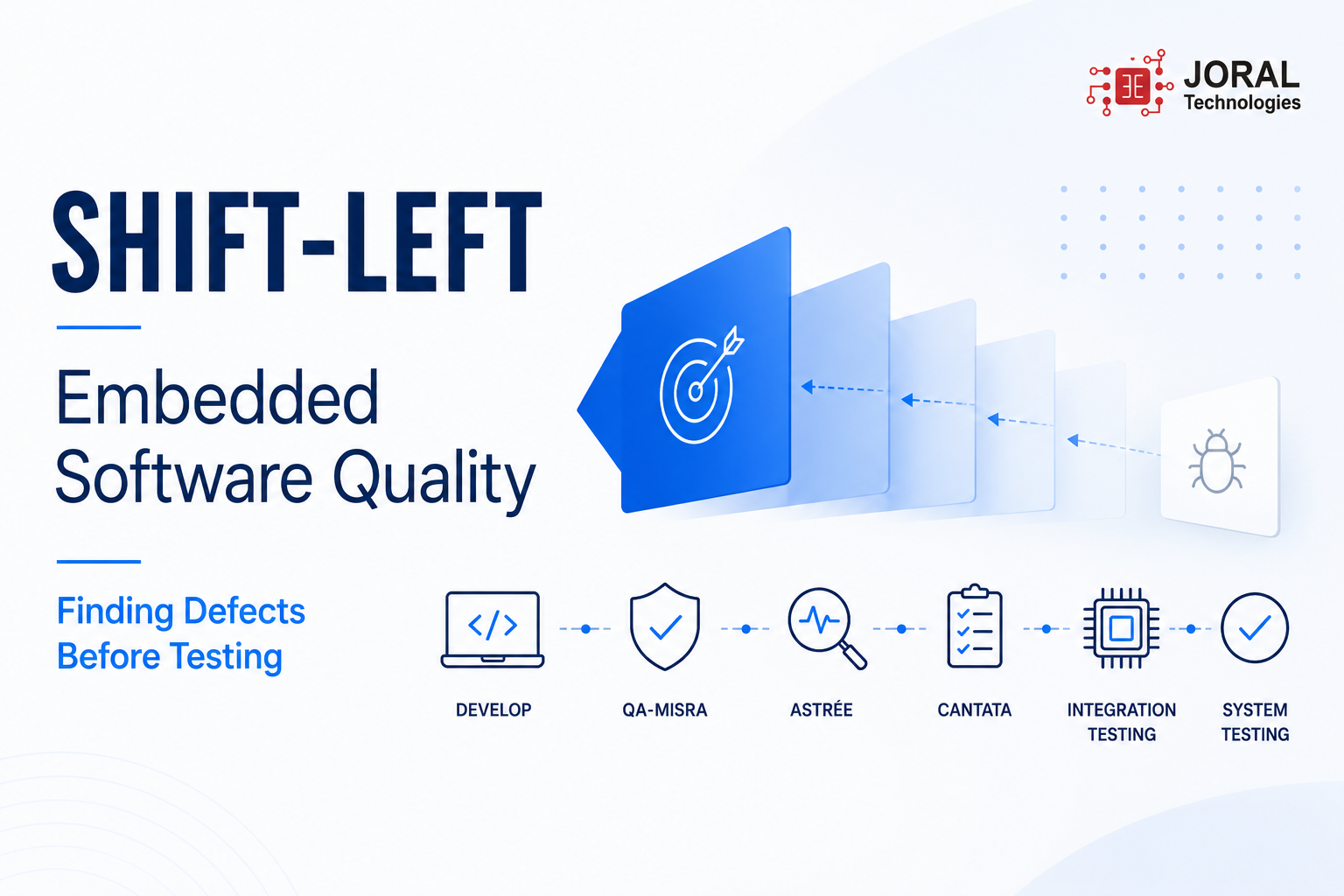
Shift-Left Embedded Software Quality: Finding Defects Before Testing
In embedded software development, defects discovered during integration, system testing, or field validation often become significantly more expensive to resolve than those identified during implementation. Industry studies suggest that fixing defects late in the development lifecycle can cost 10 to 100 times more than addressing them earlier, resulting in increased debugging effort, delayed releases, and higher project risk.
Unlike traditional software applications, embedded systems introduce additional complexity through hardware interactions, real-time constraints, communication protocols, and safety requirements. For example, a runtime defect identified during hardware integration may require extensive debugging across software, drivers, and target hardware, whereas the same issue discovered during development can often be resolved much more efficiently.
This is why many engineering organizations are adopting a shift-left approach to software quality. Shift-left development focuses on moving verification activities earlier in the development process, allowing teams to identify and resolve issues before they reach integration and system validation stages.
A practical shift-left strategy for embedded software combines coding standards enforcement, static analysis, and automated unit testing.
Using QA·MISRA, development teams can automatically enforce MISRA coding guidelines during implementation, helping improve code quality and reduce reliance on manual code reviews.
With Astrée, engineers can perform deep static analysis to identify potential runtime issues such as arithmetic overflows, invalid memory accesses, and uninitialized variables without requiring execution on target hardware.
Finally, Cantata enables automated unit testing, code coverage analysis, and early validation of software behavior before full system integration begins.
A modern embedded verification workflow may therefore follow this sequence:
Develop → QA MISRA → Astrée → Cantata → Integration Testing → System Testing
By introducing verification activities earlier in the development lifecycle, embedded teams can reduce defect escape rates, shorten debugging cycles, improve software reliability, and increase confidence in project schedules and product releases. Rather than treating quality as a final-stage activity, shift-left development transforms software verification into a continuous engineering practice.
To learn more about our embedded software quality solutions, please contact Hrutik Champaneri at hrutik.champaneri@joraltechnologies.com
Register HERE for our upcoming webinar to see Astrée static analysis integrated directly into Visual Studio Code.

RELATED NEWS
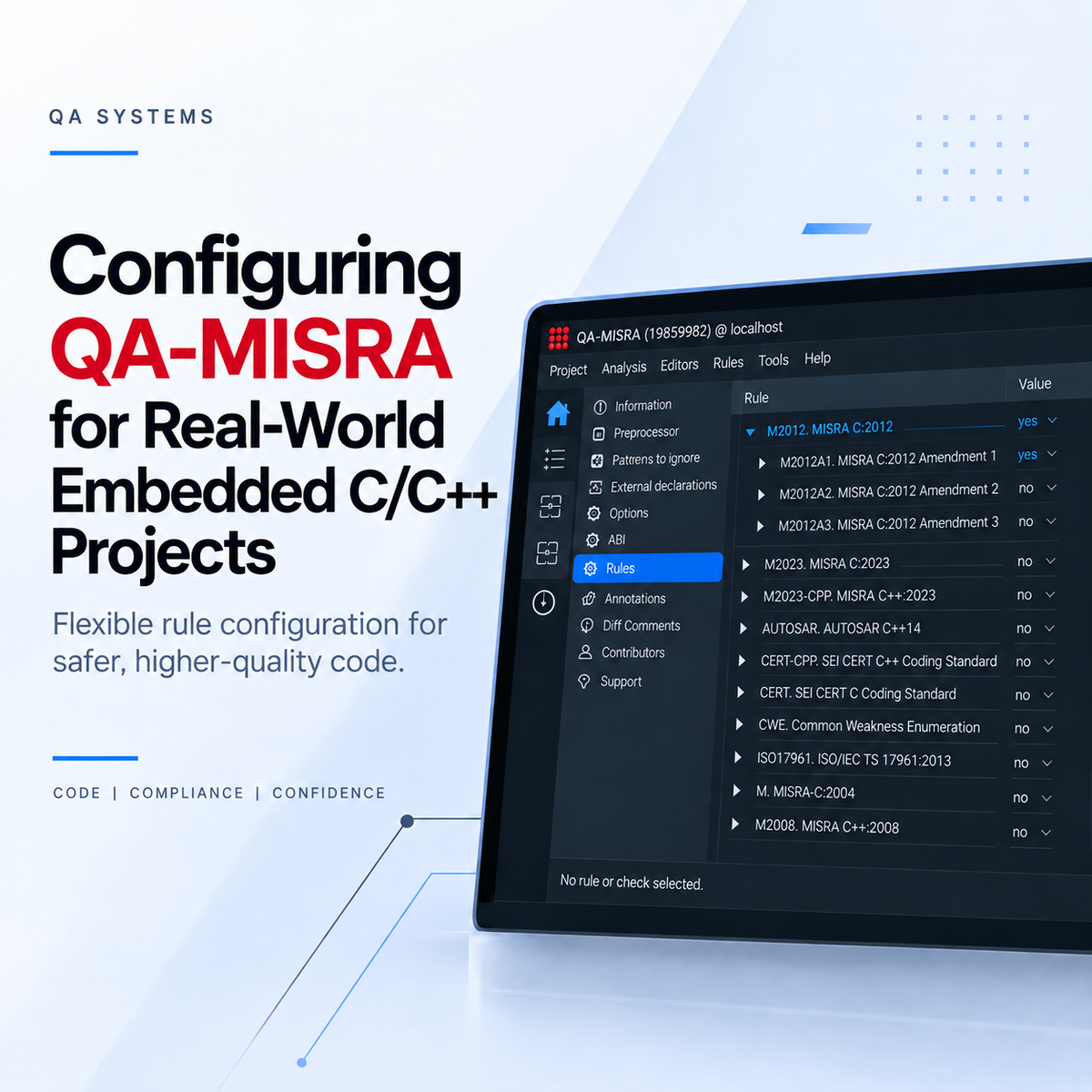
Configuring QA-MISRA for Real-World Embedded C/C++ Projects
Getting QA-MISRA running is only the first part of the setup. For an actual embedded project, you will usually need to decide which coding rules should be checked, how compiler-specific code sho[...]
Read more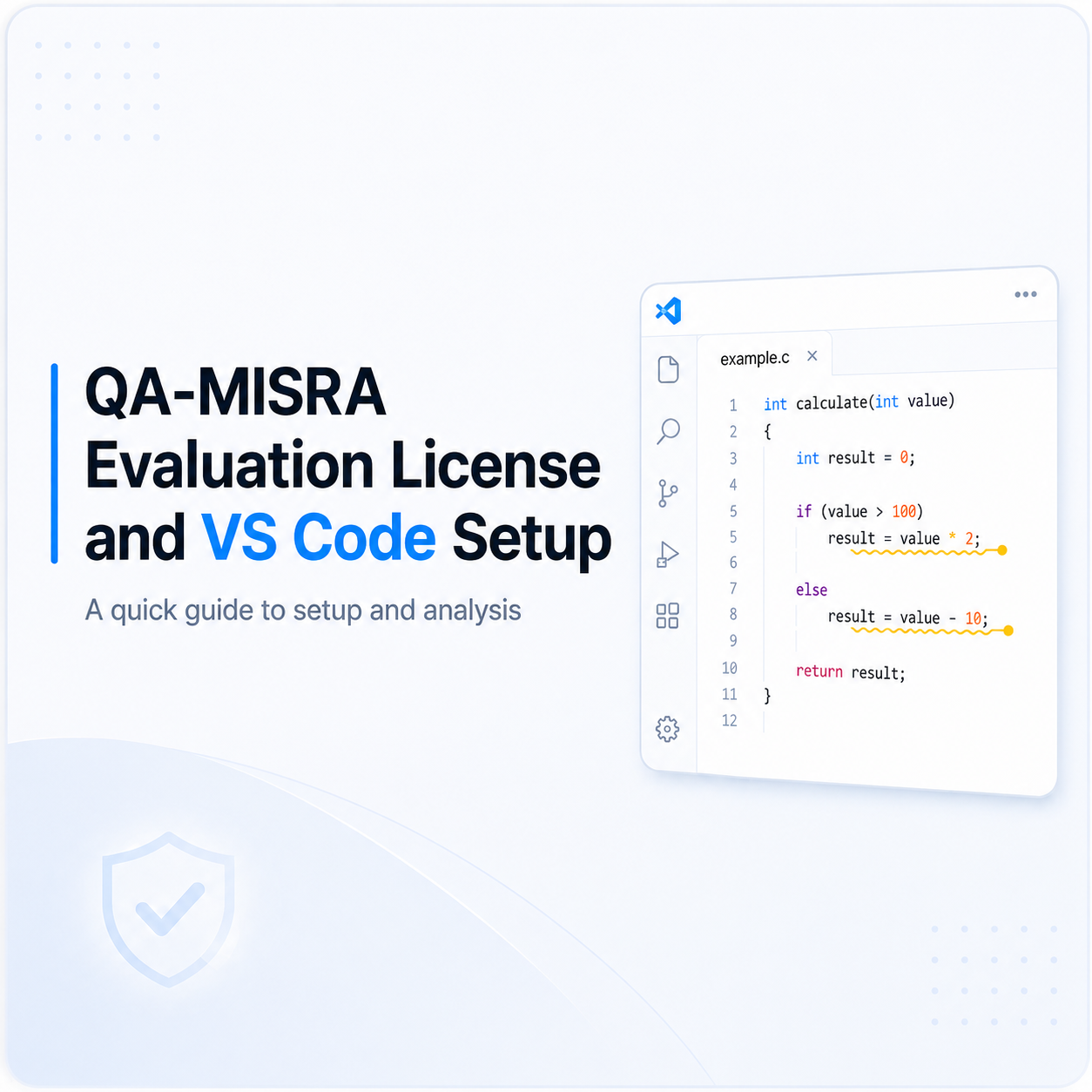
Setting Up a QA-MISRA Evaluation License and VS Code Extension
The following steps explain how to activate a QA-MISRA evaluation license, configure the local server, install the QA-MISRA extension in Visual Studio Code, and run an example analysis. 1. Requ[...]
Read more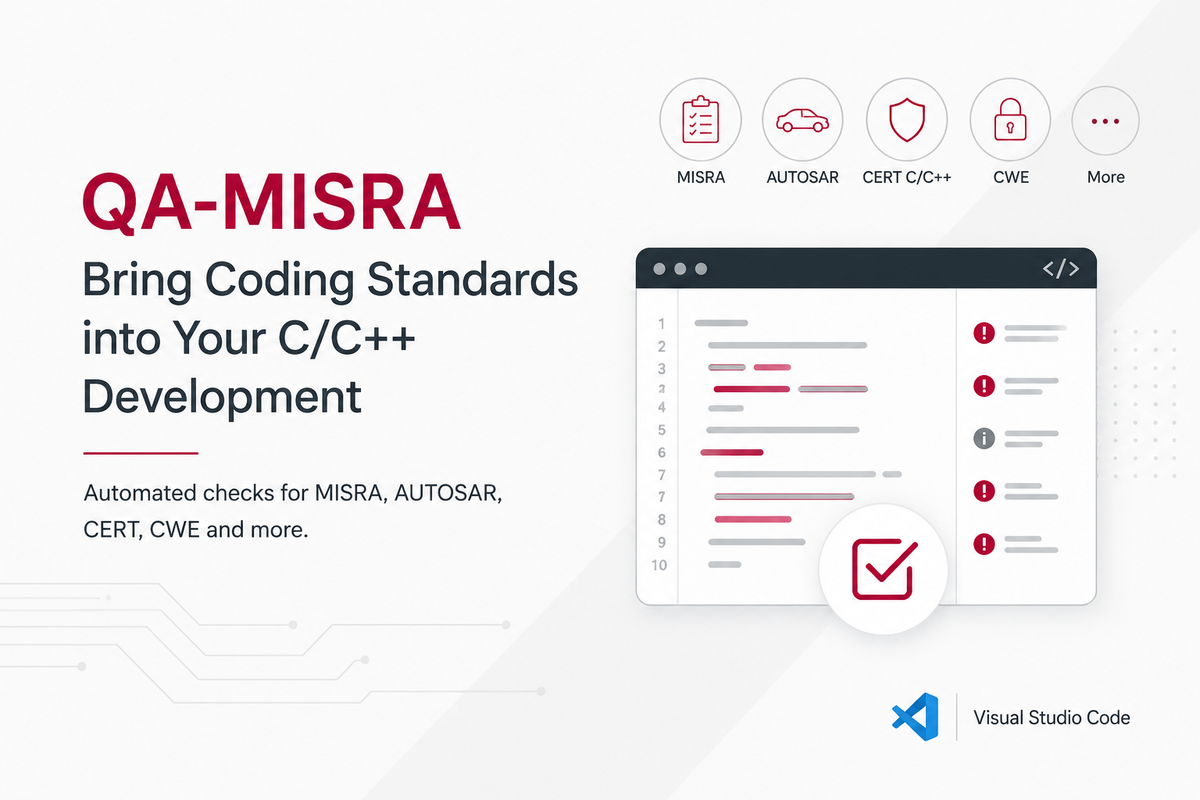
Using QA-MISRA to Bring Coding Standards into C/C++ Development
In embedded and safety-critical software, coding standards help reduce risky language behaviour, improve consistency, and make software easier to review and verify. This is especially important i[...]
Read more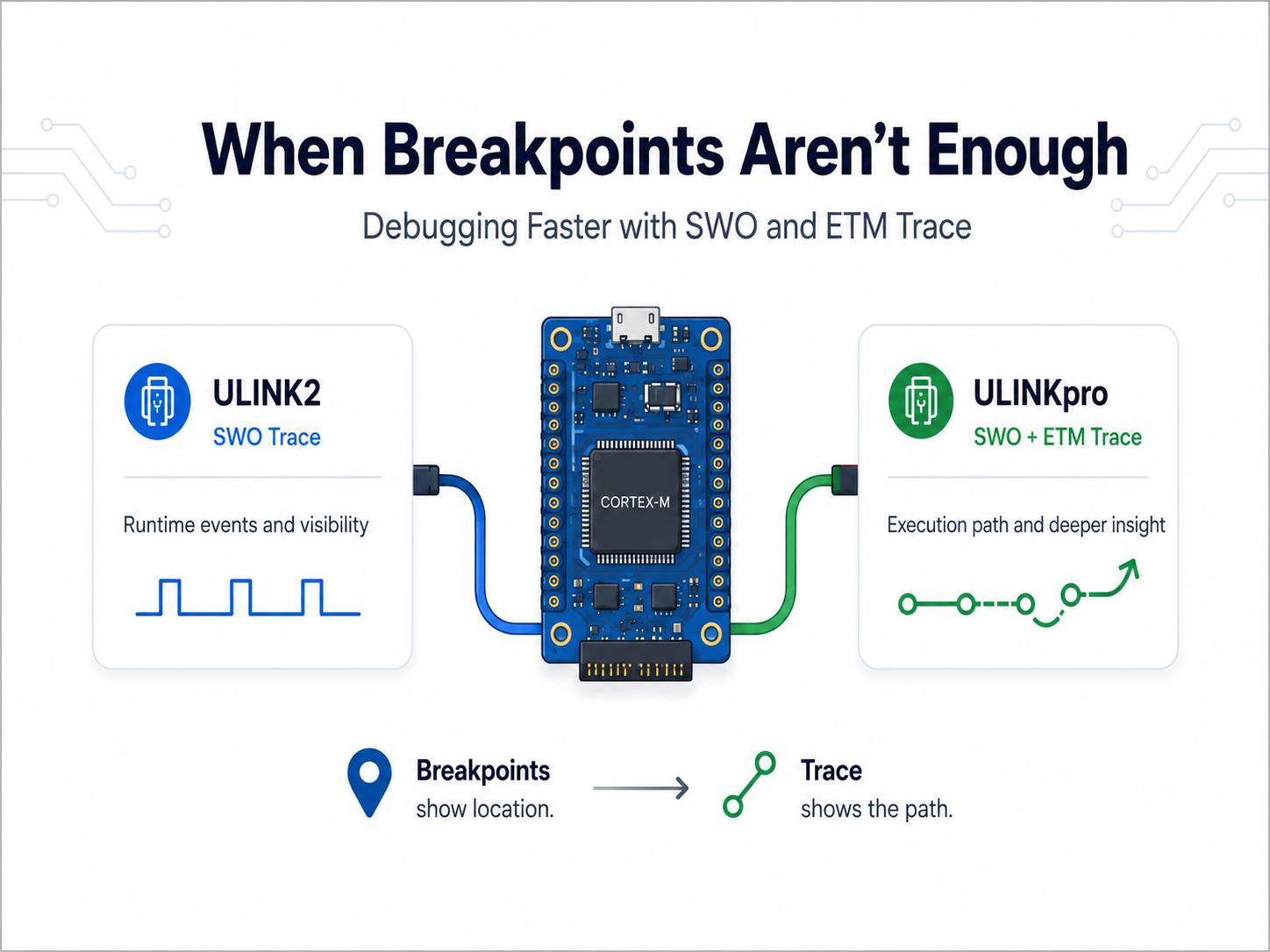
When Breakpoints Aren’t Enough: Debugging Faster with ULINKpro Trace
Most embedded developers are familiar with the usual debugging cycle: set a breakpoint, stop the processor, inspect the problem, make a change, and try again. That works well until the problem [...]
Read more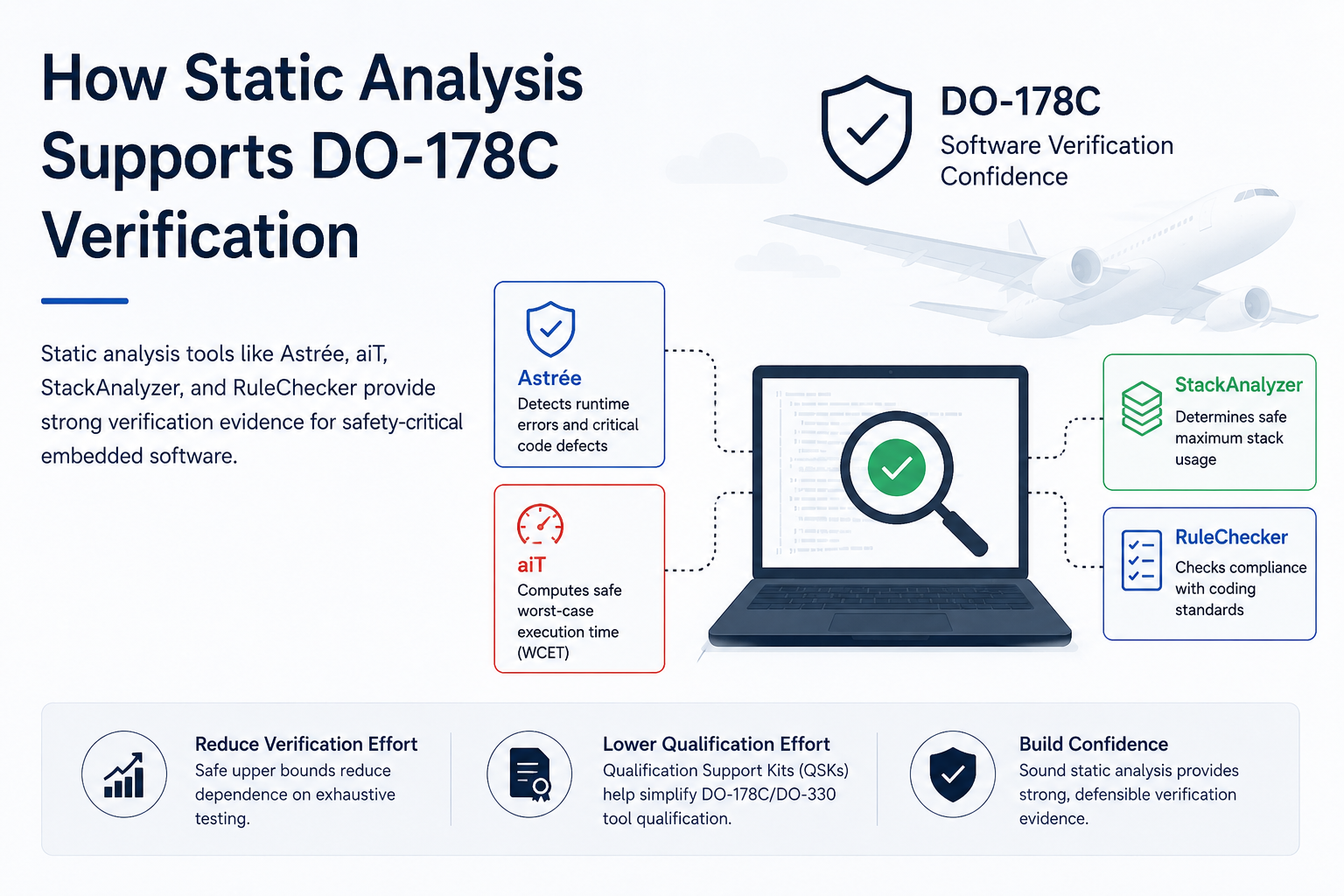
How Static Analysis Supports DO-178C Verification
Developing software for airborne systems requires strong verification evidence, especially for higher-criticality applications. DO-178C defines objectives for airborne software development and ve[...]
Read more
EMBEDDED IS EVERYWHERE

PRODUCTS
Manufacturers
Resource center